
New to preparedness? Start here. Basics is the foundation of PreparingWithDan — the core guides every household should read first, covering the four pillars of readiness: a plan, water, food, and power. Work through the guides below in order, then branch into family planning, urban survival, or gear once your foundation is solid.
Start here: core preparedness guides
- The Ultimate Emergency Survival Checklist
- Bugging In vs. Bugging Out: How to Decide
- How to Build a Prepper Pantry
- Water Purification Techniques for Emergencies
- How to Survive a Long-Term Blackout
- Financial Preparedness: Building Resilience
Explore related topics: Family Preparedness · Urban Survival · Gear Reviews
How to Call for Help When the Phone Network Is Down

Text, don’t call: texts get through when calls do not. Then 911 by voice, text-to-911 where your county supports it, licence-free FRS radios, and the signals that need no electronics.
Hurricane Watch vs Warning: What a Family Does in the 48 Hours Before Landfall
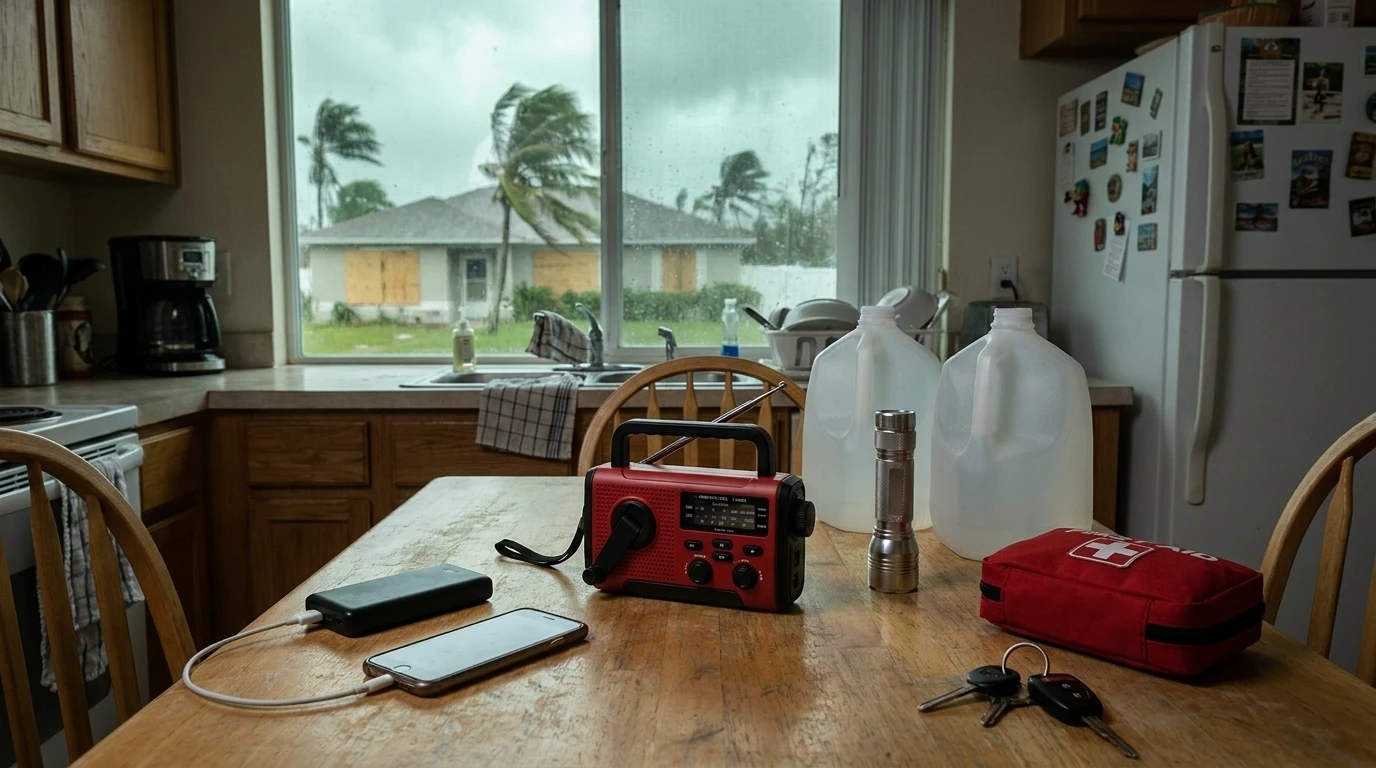
The National Weather Service issues a hurricane watch 48 hours before tropical-storm-force winds arrive and a warning 36 hours out. This is what a household does in each of those windows, in order, with the jobs that become impossible once the wind reaches 39 mph.
How to Heat One Room Without Electricity — and Not Die of Carbon Monoxide
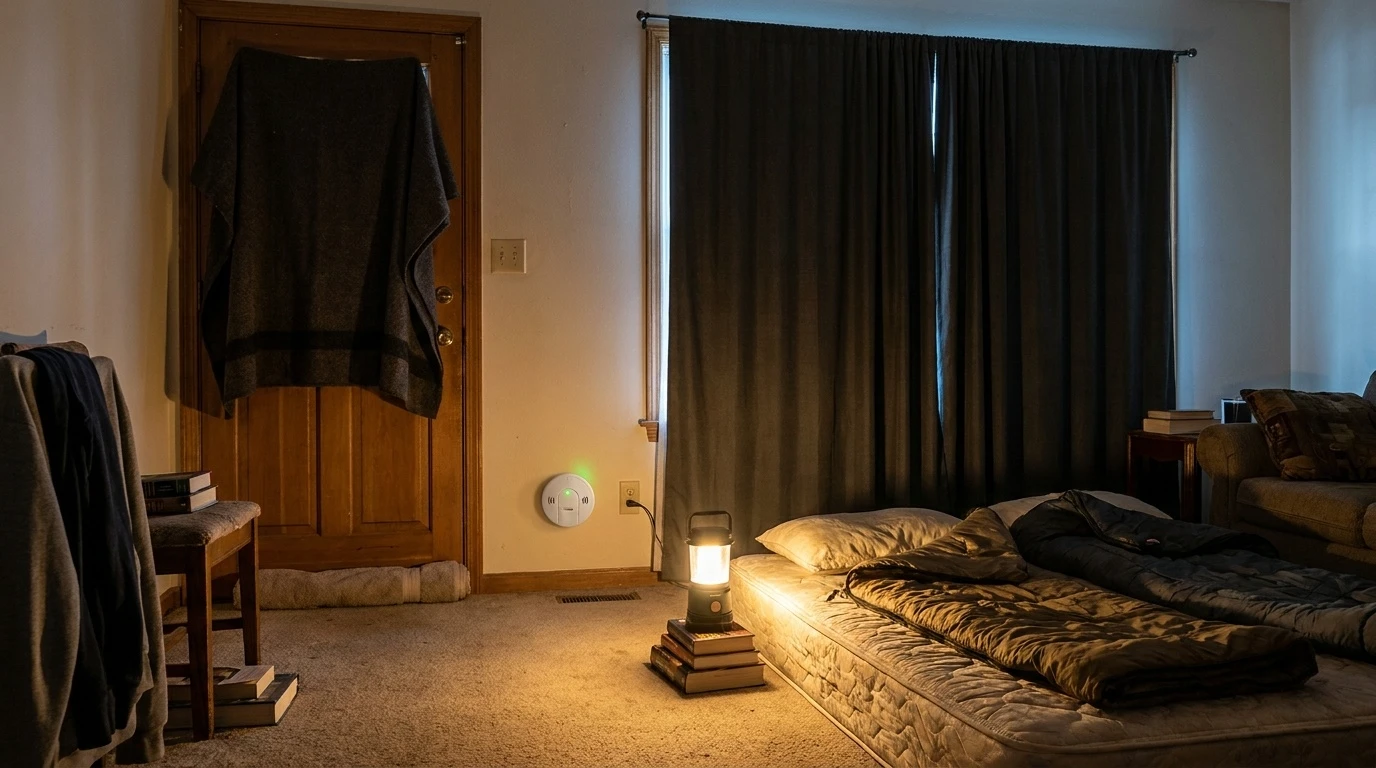
You do not heat the house, you heat one room — with something that cannot fill it with carbon monoxide. Heat sources from safest to deadliest, the 20-foot rule, and when to leave.
Family Earthquake Plan: Drop, Cover, Hold On — and the Bed-Kit Most Families Forget

Not a doorway. An earthquake plan for a family: what to bolt down, why sturdy shoes tied to the bed prevent the most common injury, the drill to practise before October 15, and who to text.
Emergency Preparedness Statistics (2026): What the Official Surveys and Datasets Actually Say
Twenty-five figures on how prepared American households really are, from FEMA’s National Household Survey, the 2024 National Preparedness Report, NWS hazard statistics, NOAA’s billion-dollar disaster dataset, the CDC, the EIA and the US Fire Administration. Each with its source, and free to cite.
Wildfire Evacuation Checklist: What to Do Before the Order Comes
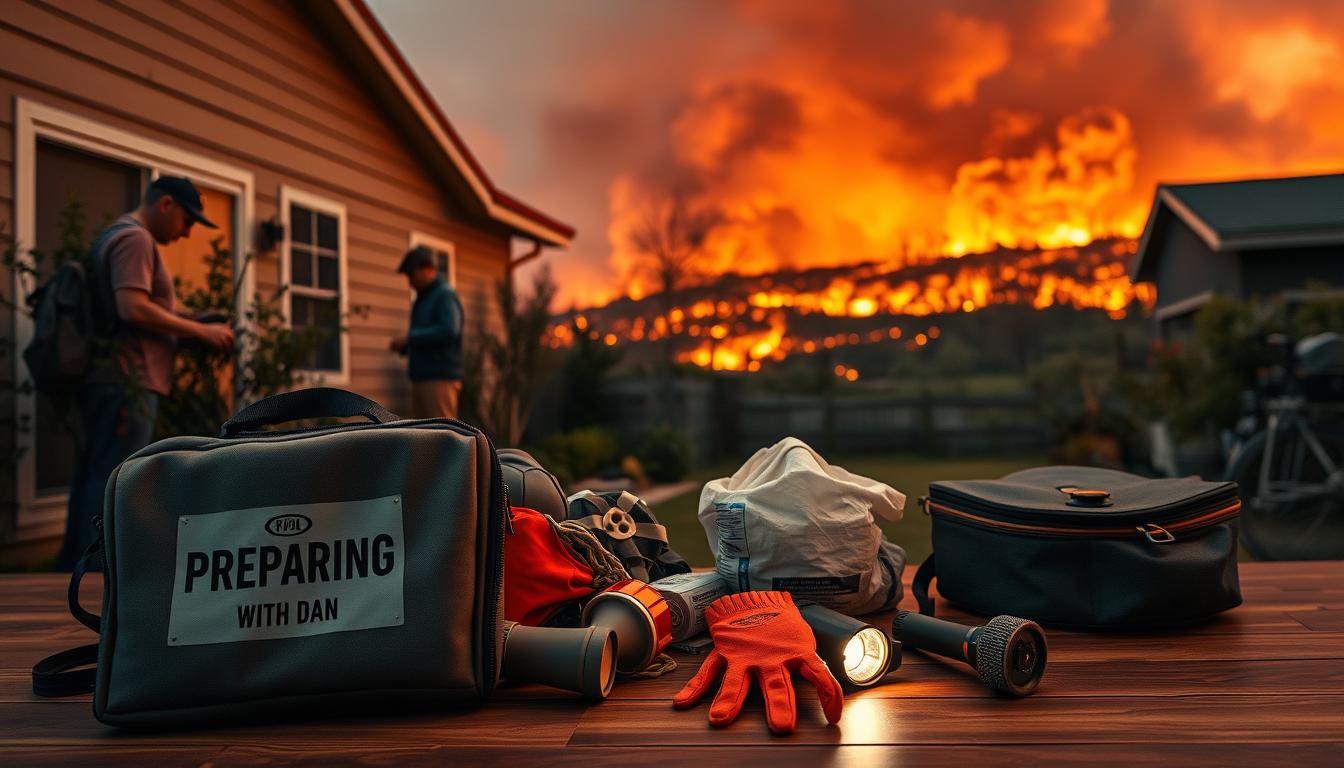
A wildfire evacuation is decided before the smoke: half a tank of gas, a go-bag by the door, two routes out and a place that takes your dog. The checklist, in the order things happen.
What a 72-Hour Emergency Kit Actually Costs in 2026
We priced the eight core items of a FEMA-recommended 72-hour kit for a family of four in July 2026. The total: $200 – and one budget food option that quietly underfeeds you.
Top 5 Books Every Prepper Should Read in 2026

There are hundreds of prepper books out there. Most of them recycle the same basic gear lists and vague advice you could find on any blog. A handful are genuinely…
Annual Survivalist Calendar: 12 Monthly Tasks for a Self-Reliant Family
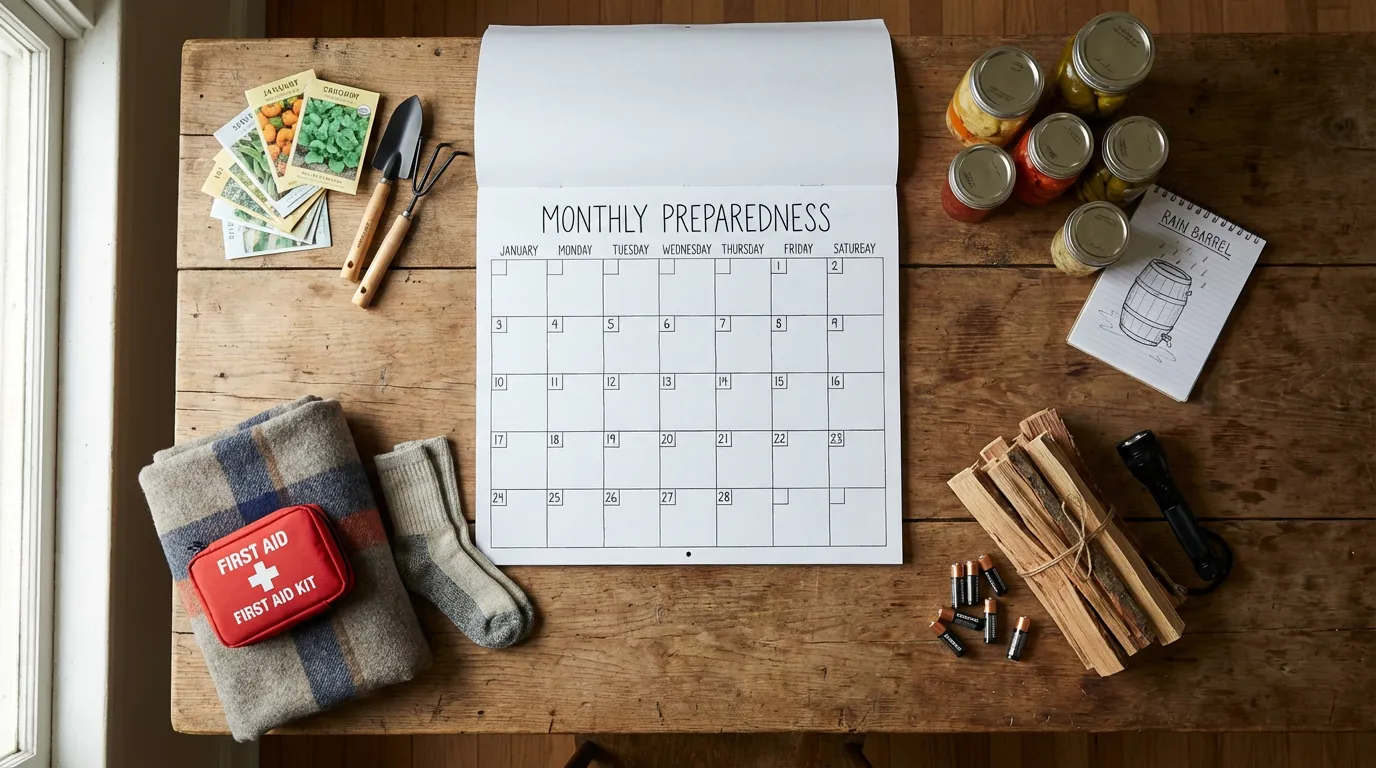
Most preppers stock up in a panic after a news scare, then forget about it for six months. The families who actually survive disruptions do the opposite — they spend…
Preparing for a Volcanic Eruption: The Complete Family Survival Guide
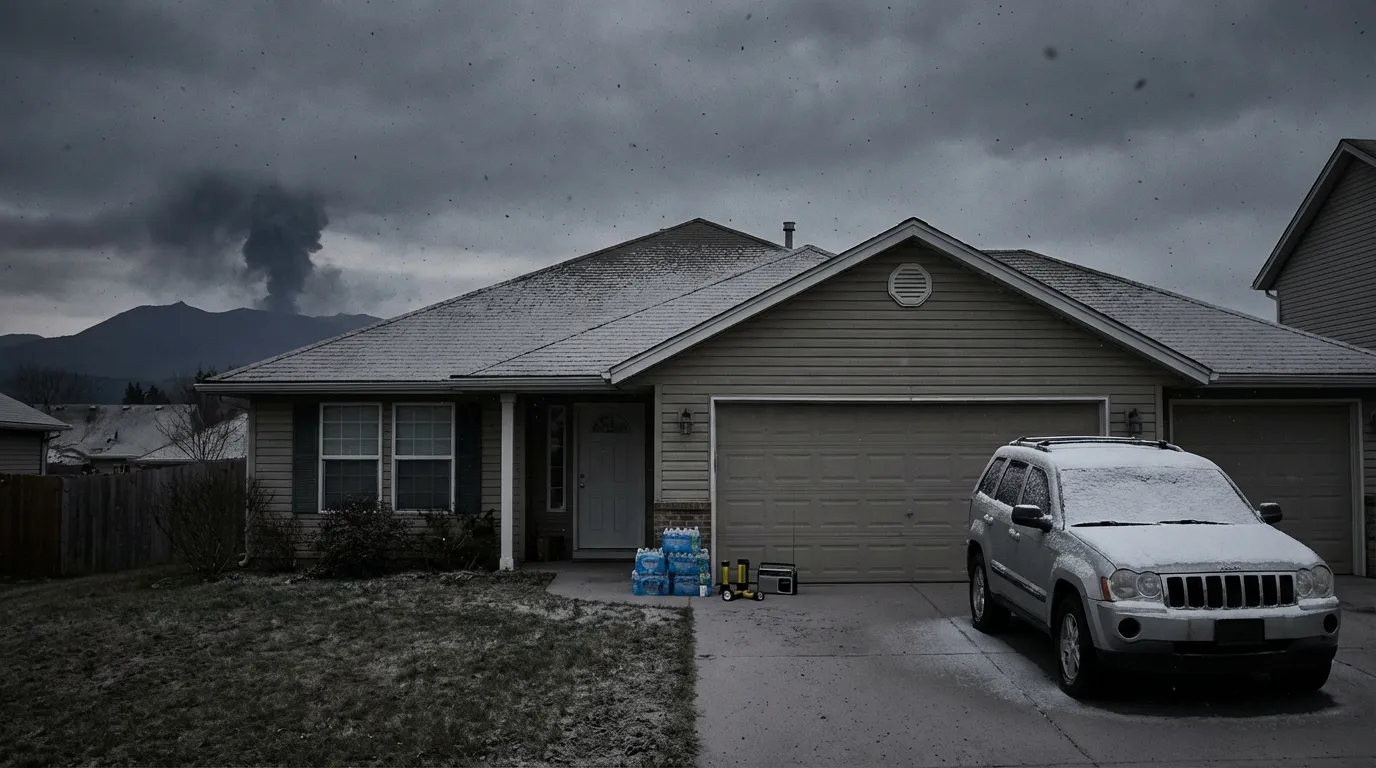
Most people fear lava when they think about volcanoes. Lava kills almost no one — it moves at 5 mph and you can walk away from it. The real killers…