
Gear is only useful when it matches a real scenario. Every review here is tied to a specific need — a blackout, a bug-out, water on the move, or keeping a family warm — so you buy once and buy right. Use the categories below to jump to the gear that solves your problem, then read the linked guide to see how it fits your wider plan.
Find the right gear by need
- Emergency Kits: Best 72-Hour Kits
- Bug-Out Bags: Choosing the Best Backpack
- Radios: Best Hand-Crank Emergency Radios
- Lighting: Best Emergency LED Lanterns
- Water: Best Portable Water Filters
- Power: Solar vs. Gas Generators
- Tools: Best Survival Multi-Tools
- Seasonal: Winter Survival Gear
Explore related topics: Preparedness Basics · Urban Survival
Before You Buy a Power Bank for Your Emergency Kit: 6 Things the Label Won’t Tell You
A 10,000 mAh bank gives about two phone charges, not three. Why to buy by watt-hours, why it is empty when you need it, what cold does, the FAA 100 Wh line, and the two banks most families need.
Best Meat-Free Emergency Food Supply: Vegetable Buckets Are Sides, Staples Are the Calories
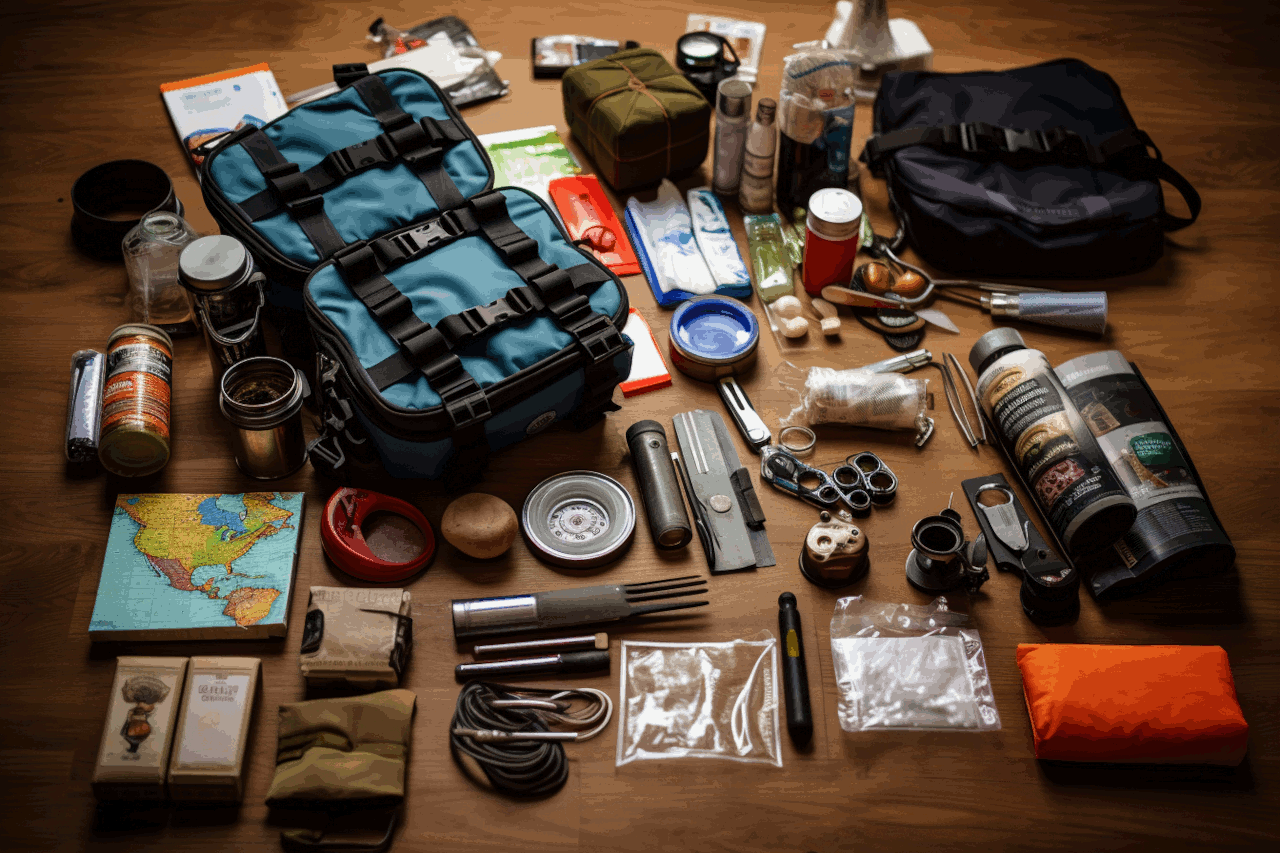
A meat-free emergency supply sidesteps every question about how the meat in a bucket was sourced and certified, and it is cheaper per calorie. It also has a trap: vegetable buckets are sides, not meals. Six vegetarian and vegan products compared on calories, with the staples that actually carry a month.
Best Emergency Food for Apartments: Calories per Cubic Foot, Not Servings per Bucket

A “120-serving” bucket is closer to two weeks for one adult once you read the calories. The three formats, what each is for in a small home, and the products people compare — without invented scores.
Best Emergency Ration Bars: 3,600 Calories Is Three Days at a Deficit
Every ration bar on Amazon is sold as a 72-hour supply. Divided by three, that is 1,200 calories a day, below the 1,600 low end most guidance cites. Five bars compared on what the listings say, with the arithmetic and the catch for each.
Best Emergency Water Storage Containers for Apartments: 12 Gallons Weighs 100 Pounds
A gallon per person per day, says Ready.gov: three days for a family of four is twelve gallons, a hundred pounds, and a cubic foot and a half of closet. Six storage containers compared on what the listing states, how they stack, and the catch for each.
Before You Buy a Geiger Counter: What It Can and Cannot Tell You in a Radiation Emergency
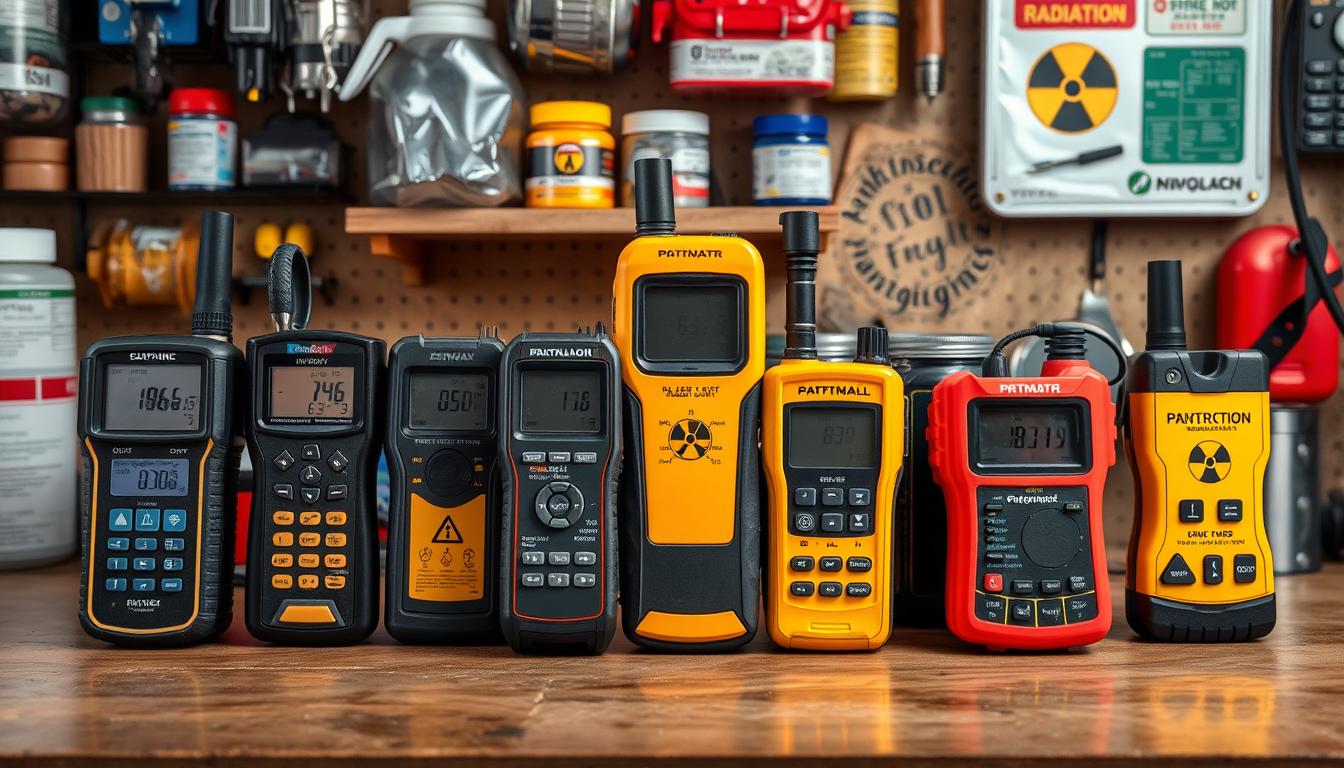
A consumer Geiger counter answers one question — is the level going up, down or normal? — and none of the first-24-hour decisions. What to look for, what is marketing, and the models people compare.
Best Smoke and Carbon Monoxide Alarms: Ten Years Is the Number on the Back
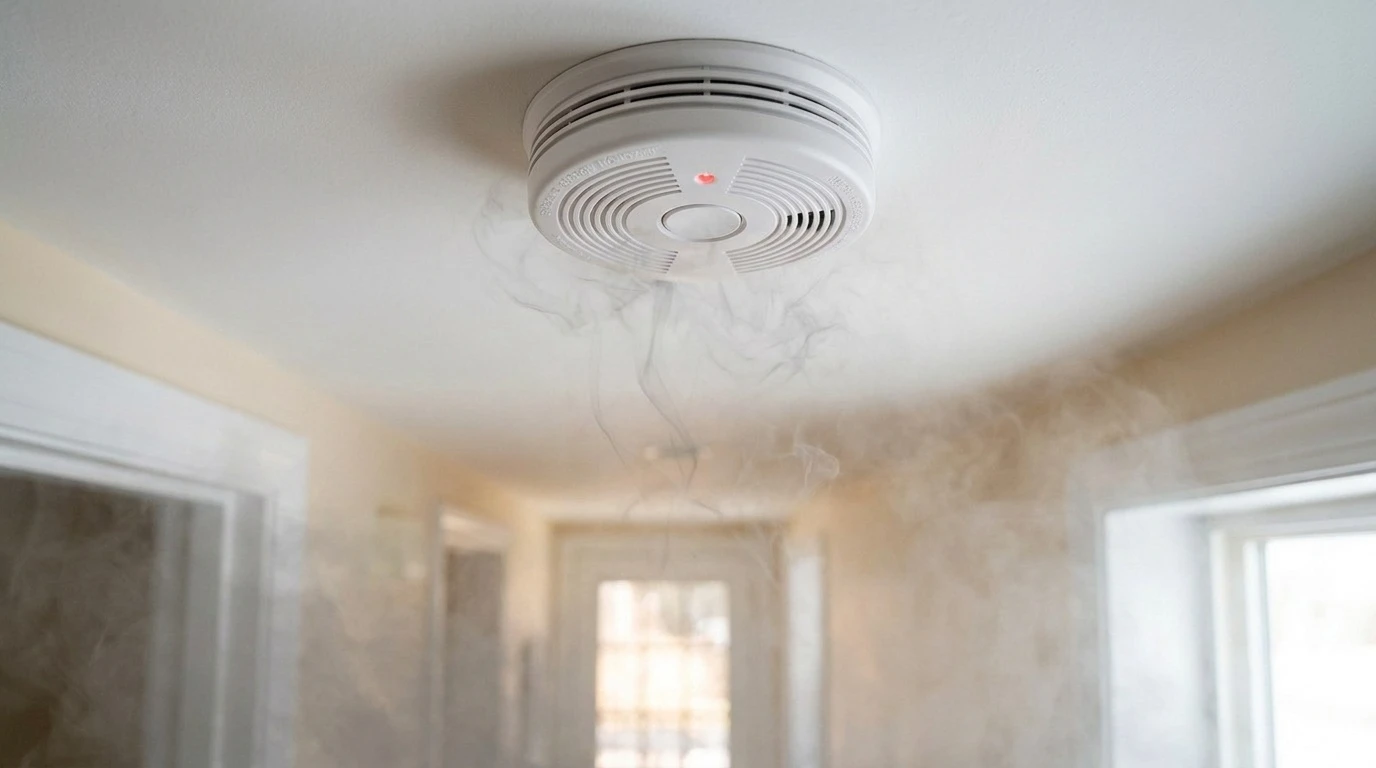
An alarm is replaced ten years from the date printed on its back, and the US Fire Administration wants both ionization and photoelectric sensing in every home. Six combination smoke and CO alarms compared on sensor type, power and interconnection, with the catch for each.
Best Fire Extinguishers for Home and Apartment: Read the Rating, Find the UL Mark
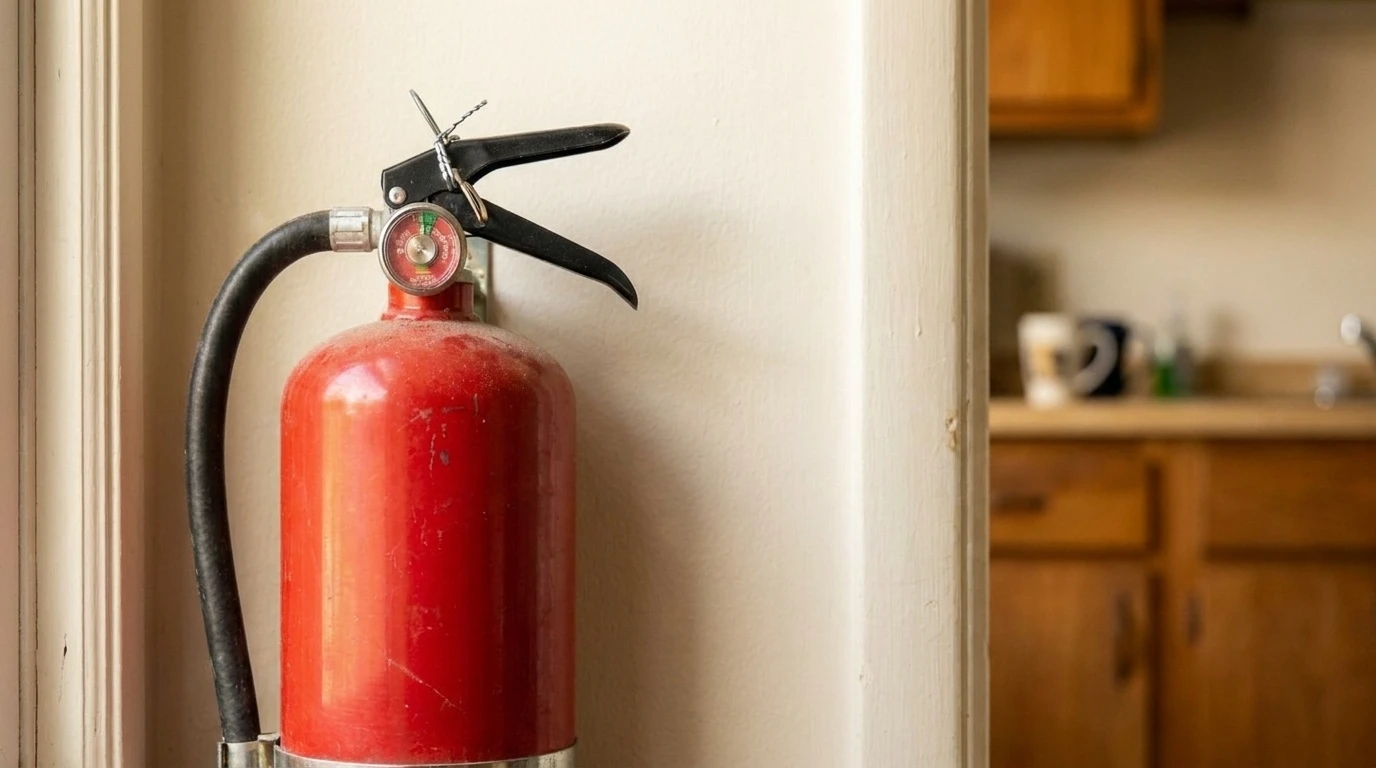
The US Fire Administration explains the label: the number before A is a multiple of 1.25 gallons of water, the number before B is square feet of liquid fire, and the UL Listed mark is the thing to look for. Six extinguishers compared on that basis, and which listings do not show the mark.
Best First Aid Kits for Families: The Red Cross List Is 60 Items, Not 500
The American Red Cross publishes exactly what a family-of-four first aid kit should contain: about sixty items. A 516-piece kit is not eight times better, it is four hundred adhesive bandages. Six kits compared against the official list, and the four items most of them lack.
Best LED Lanterns for Power Outages: Hours Matter More Than Lumens

Use flashlights, not candles, says the Red Cross. Five LED lanterns compared on the number that matters in a multi-day outage: hours of light per set of batteries, not lumens.