
Survival gear, food storage and skills — tested for apartments and family homes.
How much emergency supply does your family need?
Water, food and essentials sized to your household and the number of days. Printable.
- Alaska: NWS has winter storm warnings for interior Alaska, including the Yukon Flats, Upper Chena River Valley, Upper Tanana Valley and Noatak Valley. Staying warm without heat →
- Guam and the Northern Mariana Islands: FEMA approved emergency declarations for Guam and the Northern Mariana Islands on October 17 after Typhoon Champi. Watch vs. warning checklist →
Newest Articles

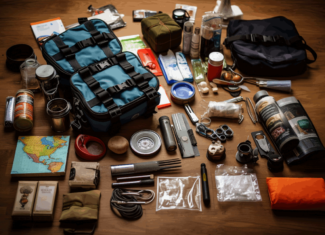
Urban EDC: The Get-Home Kit Built From Ready.gov’s 24-Hour Work Rule
Not a tactical pocket dump. Could you shelter at work for 24 hours or walk home with what is on you? Three layers — body, bag, desk — and the most important item is the shoes.
Best Emergency Water Storage Containers for Apartments: 12 Gallons Weighs 100 Pounds
A gallon per person per day, says Ready.gov: three days for a family of four is twelve gallons, a hundred pounds, and a cubic foot and a half of closet. Six storage containers compared on what the listing states, how they stack, and the catch for each.

How to Call for Help When the Phone Network Is Down
Text, don’t call: texts get through when calls do not. Then 911 by voice, text-to-911 where your county supports it, licence-free FRS radios, and the signals that need no electronics.
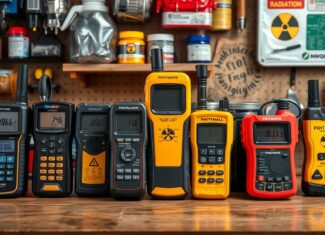
Before You Buy a Geiger Counter: What It Can and Cannot Tell You in a Radiation Emergency
A consumer Geiger counter answers one question — is the level going up, down or normal? — and none of the first-24-hour decisions. What to look for, what is marketing, and the models people compare.

Car Emergency Kit: The 7-Item Base List, Then the Layer Your Climate Needs
One base list — the seven items Ready.gov names — plus a climate layer: sleeping bags and sand up north, a gallon of water per person in the desert, a window breaker in flood country.
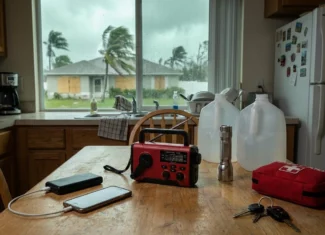
Hurricane Watch vs Warning: What a Family Does in the 48 Hours Before Landfall
The National Weather Service issues a hurricane watch 48 hours before tropical-storm-force winds arrive and a warning 36 hours out. This is what a household does in each of those windows, in order, with the jobs that become impossible once the wind reaches 39 mph.
Best Emergency Food Kits
When SHTF, you need to be prepared. Here are some of the best emergency survival food supply kits you can find:
POWDERED EGGS

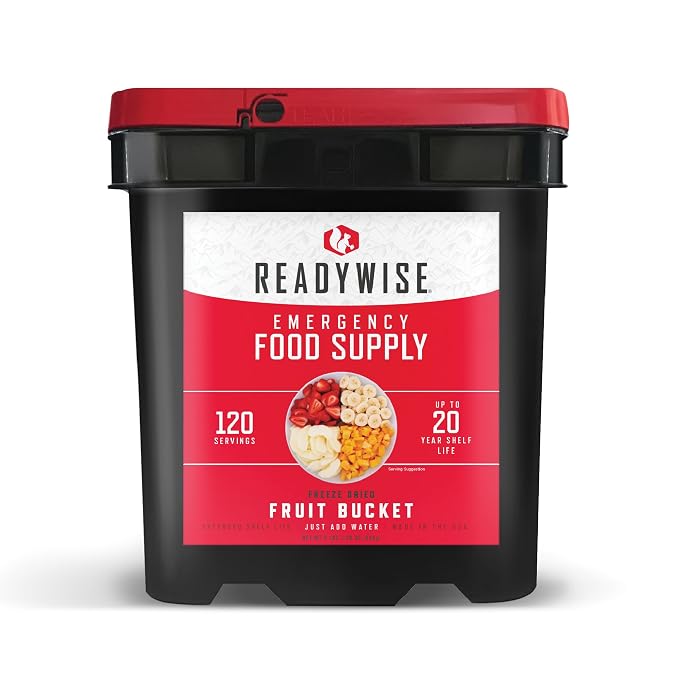
DRIED FRUITS
MULTIVITAMIN
ENERGY BARS
