How to Build a Community Emergency Network in Your Building

How to Build a Community Emergency Network in Your Building
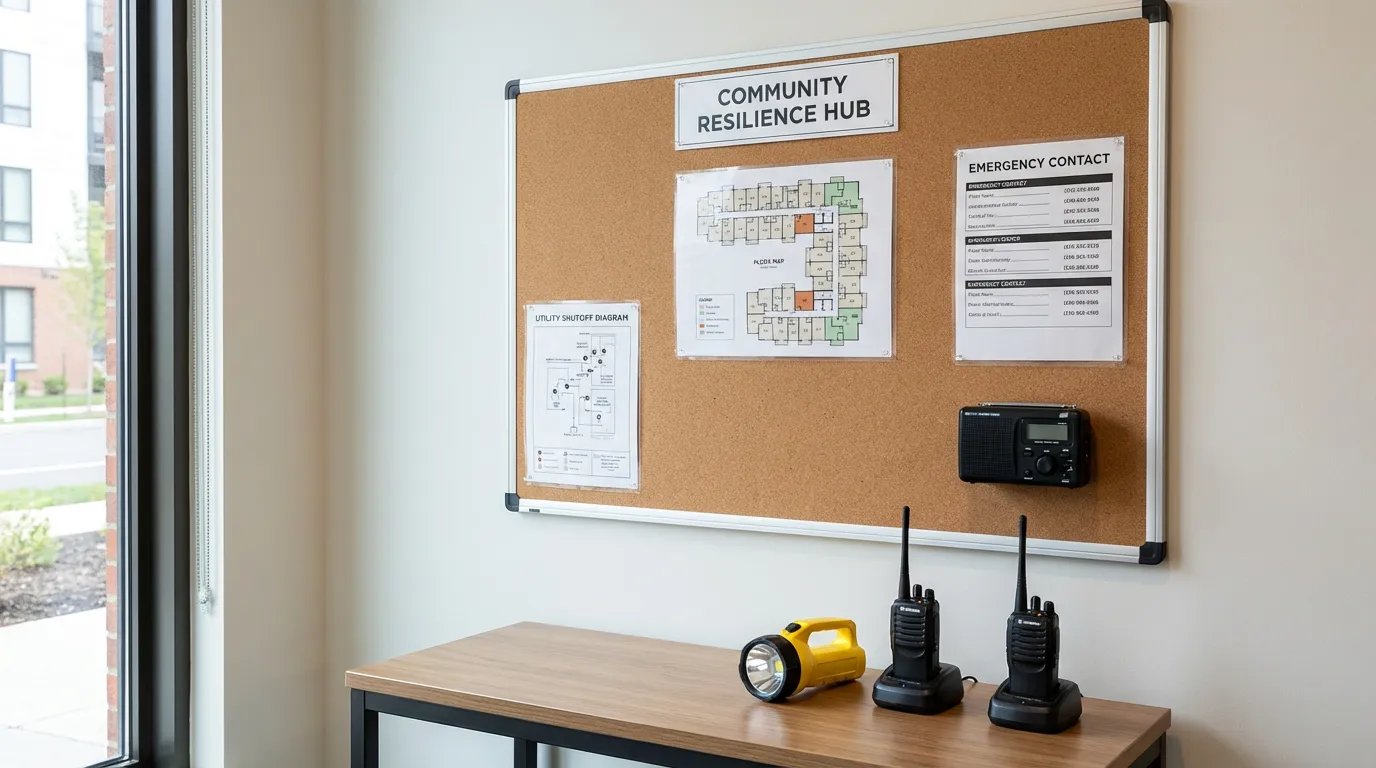
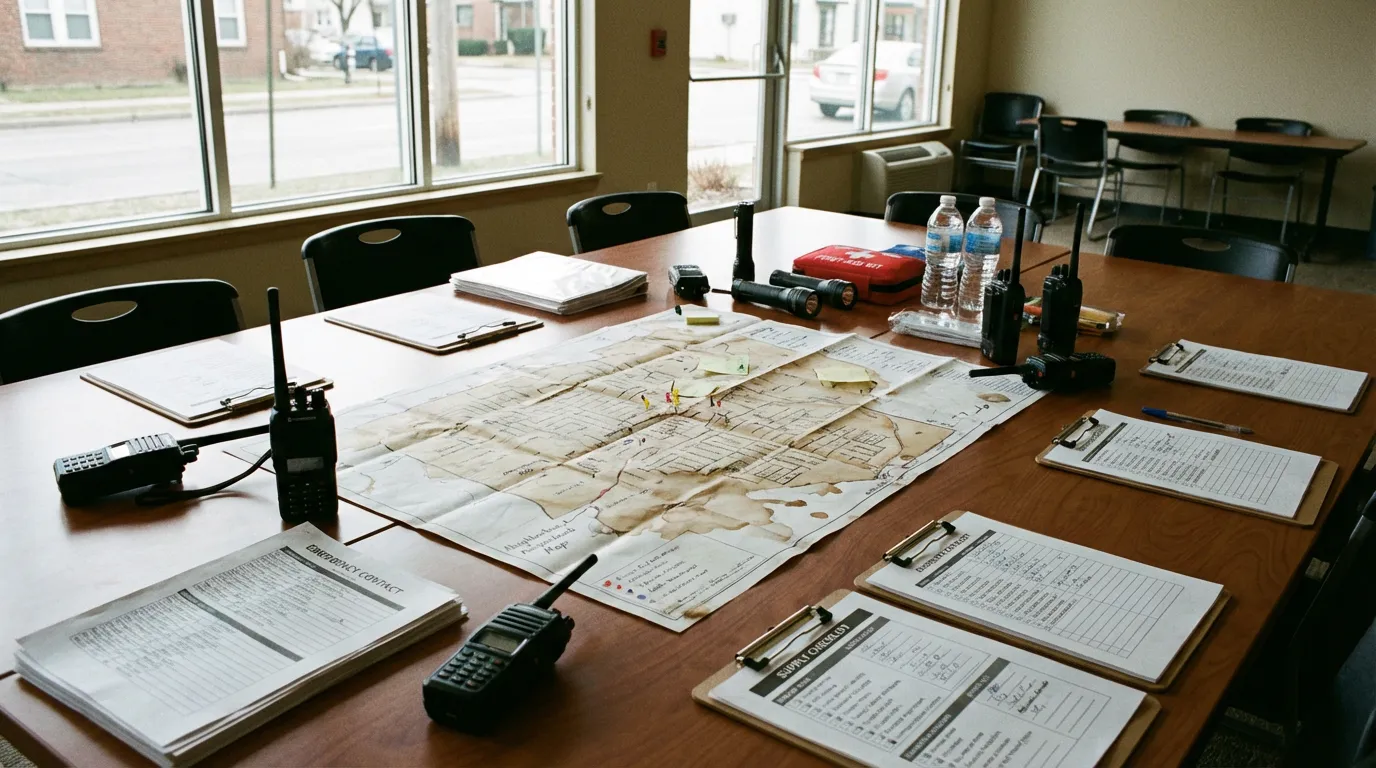
The research on disaster survival is unambiguous: neighbors who know each other recover faster, lose fewer people, and coordinate more effectively than isolated households — regardless of how much gear either side has. During Hurricane Katrina, the neighborhoods with established social networks had dramatically better outcomes than equally poor or equally well-equipped neighborhoods without them. …
Read more

How to Protect Your Devices from an EMP Attack

How to Protect Your Devices from an EMP Attack

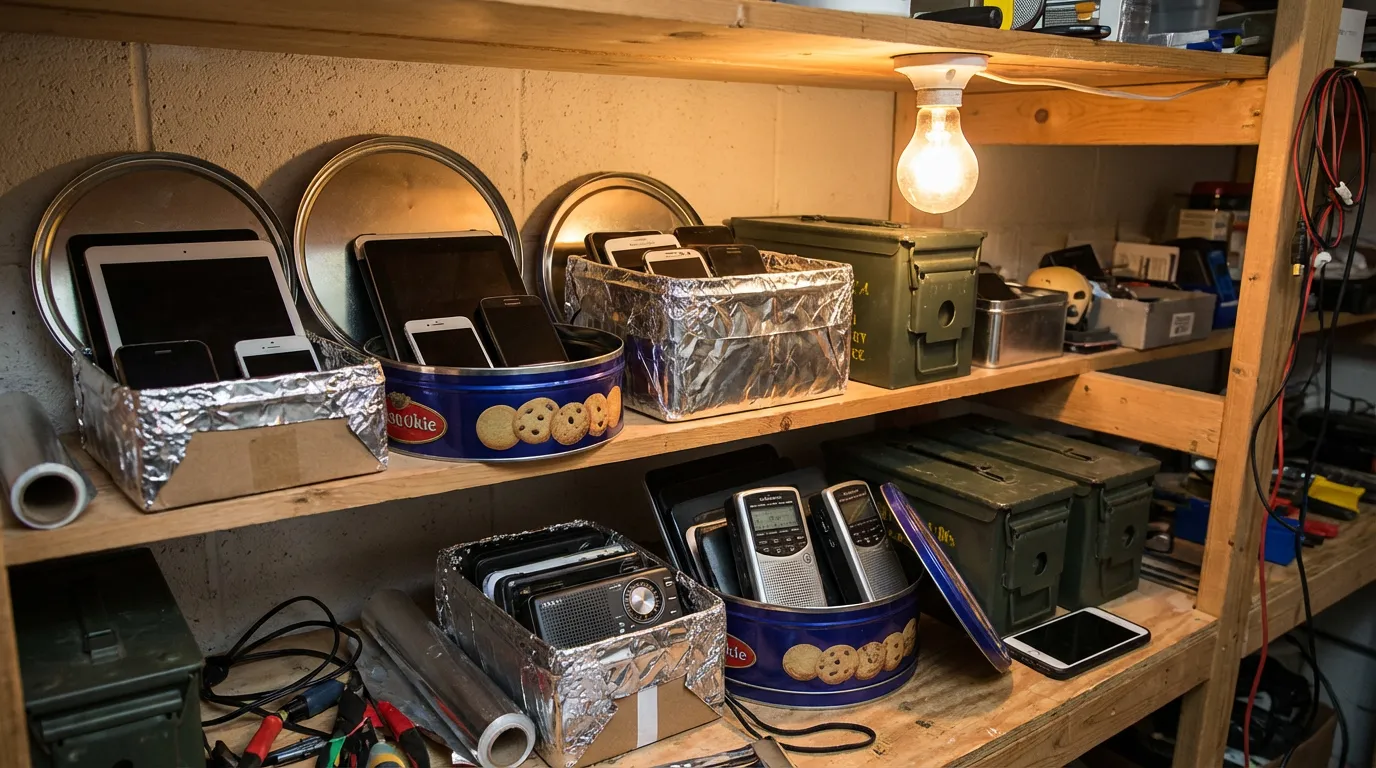
An EMP event is one of the few preparedness scenarios that could simultaneously knock out power, vehicles, communications, and medical equipment across an entire region — permanently. Unlike a storm or a power outage, an EMP doesn’t reset in a few days. Depending on the severity, recovery could take months or years. That’s the case …

Read more

Emergency Urban Evacuation: How to Leave the City Fast

Emergency Urban Evacuation: How to Leave the City Fast

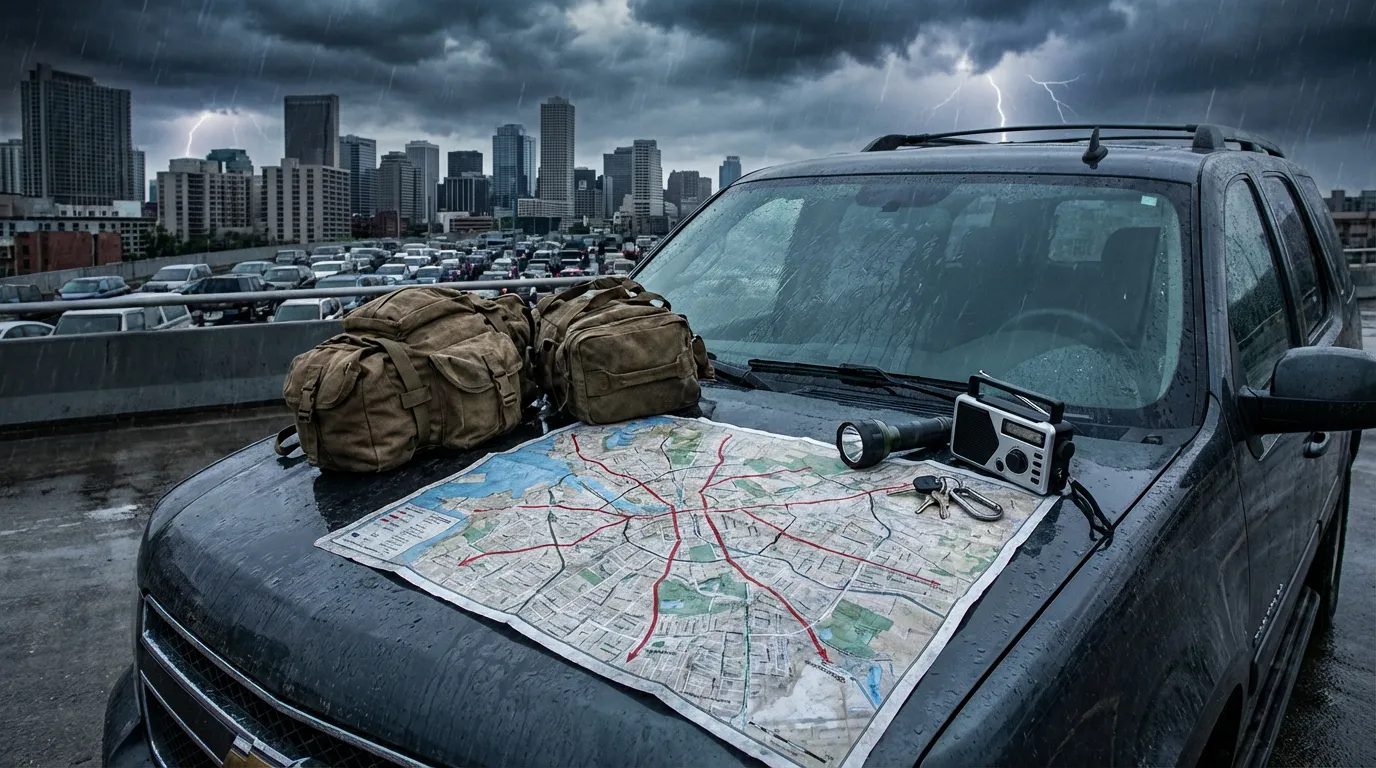
In times of crisis, having a good urban evacuation plan is key. Knowing how to leave quickly can save your life. This guide will show you how to make a plan that keeps you safe. Being ready and knowing what to do can make a big difference. Learn about local dangers, find the best ways …

Read more

How to Build a Custom Family Emergency Plan (Step-by-Step)

How to Build a Custom Family Emergency Plan (Step-by-Step)

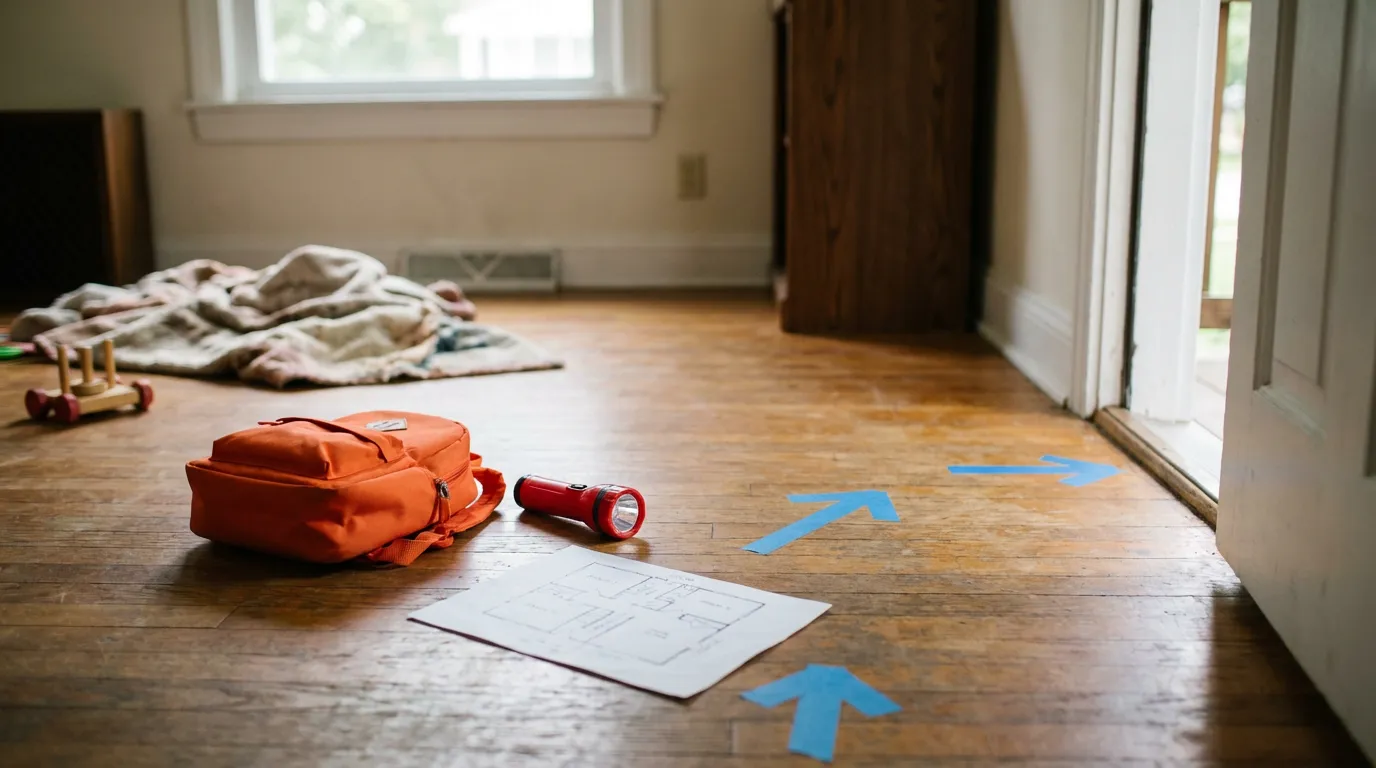
Most families don’t have an emergency plan. Of those that do, most have a generic one that falls apart the moment a real crisis hits — because it wasn’t built around their actual situation. This guide fixes that. You’ll leave with a plan tailored to your family’s size, health needs, local risks, and living situation. …

Read more

Communicating Post-Nuclear Event: Alternative Methods and Tools

Communicating Post-Nuclear Event: Alternative Methods and Tools

Three days after a nuclear detonation, the cell towers are still down. Your daughter is at school across town. Your spouse is at work. You are at home with your youngest. You have no idea if they are okay — and they have no idea about you. This is the scenario that keeps prepared families …

Read more

Surviving Nuclear Fallout: Essential Steps for Preppers

Surviving Nuclear Fallout: Essential Steps for Preppers

Most of what people believe about surviving nuclear fallout is wrong. They either believe survival is impossible (it is not, for most scenarios) or they believe it requires elaborate preparation they do not have (it largely does not). The reality is that the actions taken in the first 15 minutes after a nuclear detonation are …

Read more

Inclusive Prepping: How to Prepare for Emergencies with Disabilities

Inclusive Prepping: How to Prepare for Emergencies with Disabilities

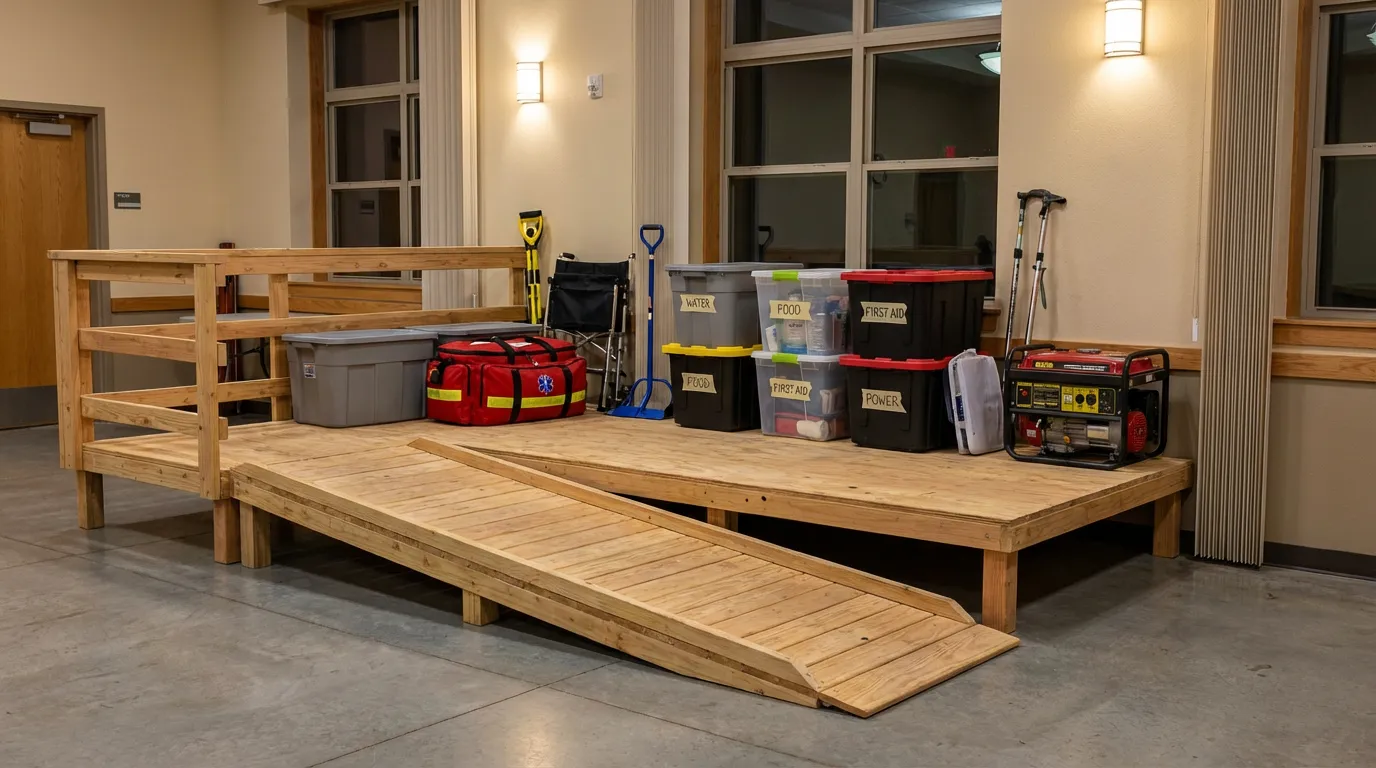
If someone in your household has a disability, a standard emergency plan will not cut it—and waiting until disaster strikes to figure that out is the most dangerous mistake a prepper family can make. The 61 million Americans living with disabilities face risks that multiply fast when the power goes out, roads flood, or shelters …

Read more

Stay or Go? A Guide to Bugging In vs. Bugging Out

Stay or Go? A Guide to Bugging In vs. Bugging Out

When a mandatory evacuation order hits or a wildfire jumps a ridge 10 miles from your home, you have minutes—not hours—to make the stay-or-go call. Most families wait until that moment to think it through. That is the worst possible time to make it. This guide gives you the decision framework before you need it, …

Read more

Building a Prepper Community: Strength in Numbers

Building a Prepper Community: Strength in Numbers

Solo prepping will only get you so far. You can’t stay awake for 72 hours straight to watch the perimeter. You can’t be the medic and the mechanic at the same time. At some point, the family that has trusted neighbors, a few vetted friends with real skills, and a communication plan will outlast the …

Read more

Emergency Communication Strategies: Staying Connected

Emergency Communication Strategies: Staying Connected

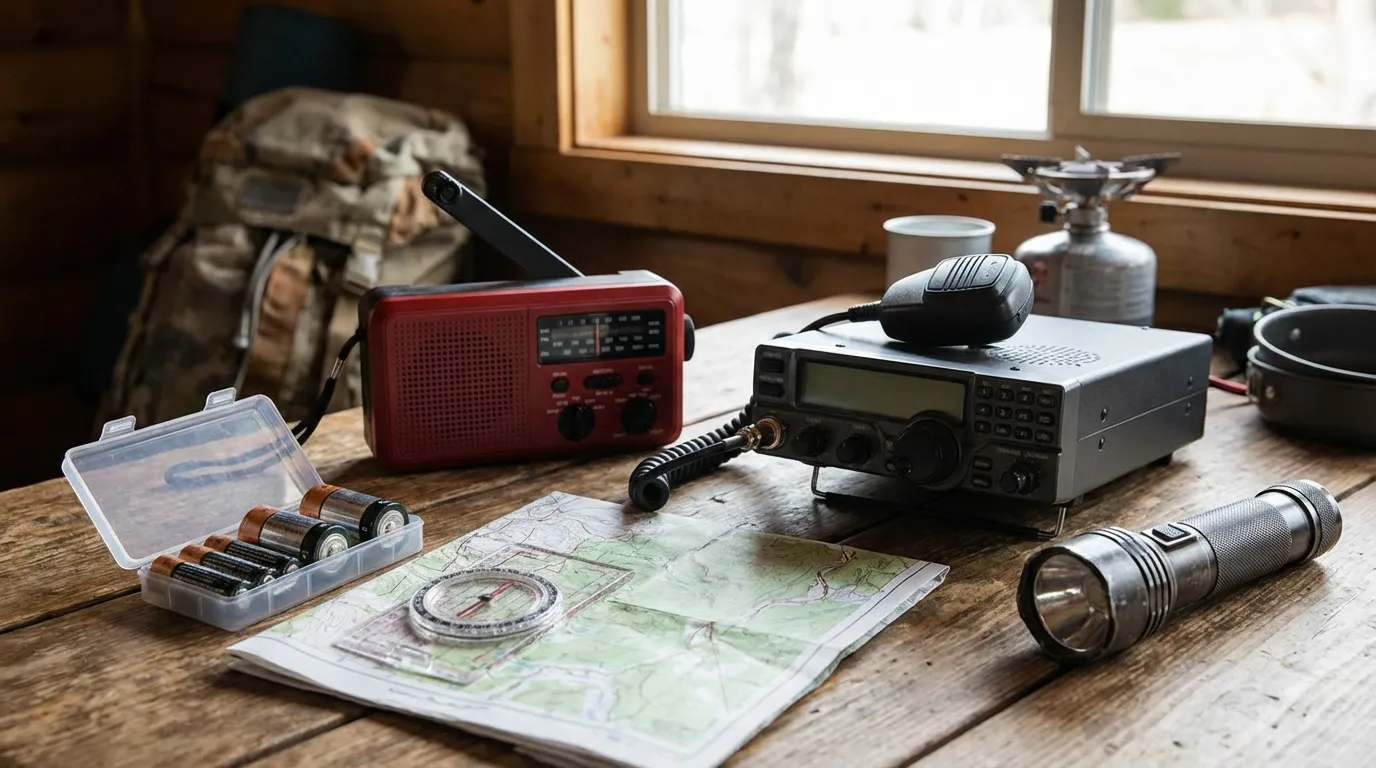
The first thing that fails in a major emergency is usually the cell network. It doesn’t go down because the towers are destroyed — it goes down because thousands of people in the same area try to call simultaneously, and the system gets overwhelmed. During Hurricane Sandy, cell networks in some areas were congested for …

Read more