Building a Community Nuclear Response Plan: Collective Safety Measures

In a nuclear emergency, the decisions made in the first 15 minutes determine outcomes. Whether the event is a nuclear plant accident, a radiological dirty bomb in a nearby city, or — in the worst case — a nuclear detonation, the survival advantage goes to people who already know what to do and have the …

Read more

Preserving Food in a Nuclear Fallout Scenario: Techniques and Tips

The food safety rules for nuclear fallout are different from what most people assume, and getting them wrong in either direction creates real problems: eating contaminated food causes internal radiation exposure, but throwing out perfectly safe food during a shelter period leaves your family without supplies when supply chains are disrupted. The key distinction is …

Read more

Communicating Post-Nuclear Event: Alternative Methods and Tools

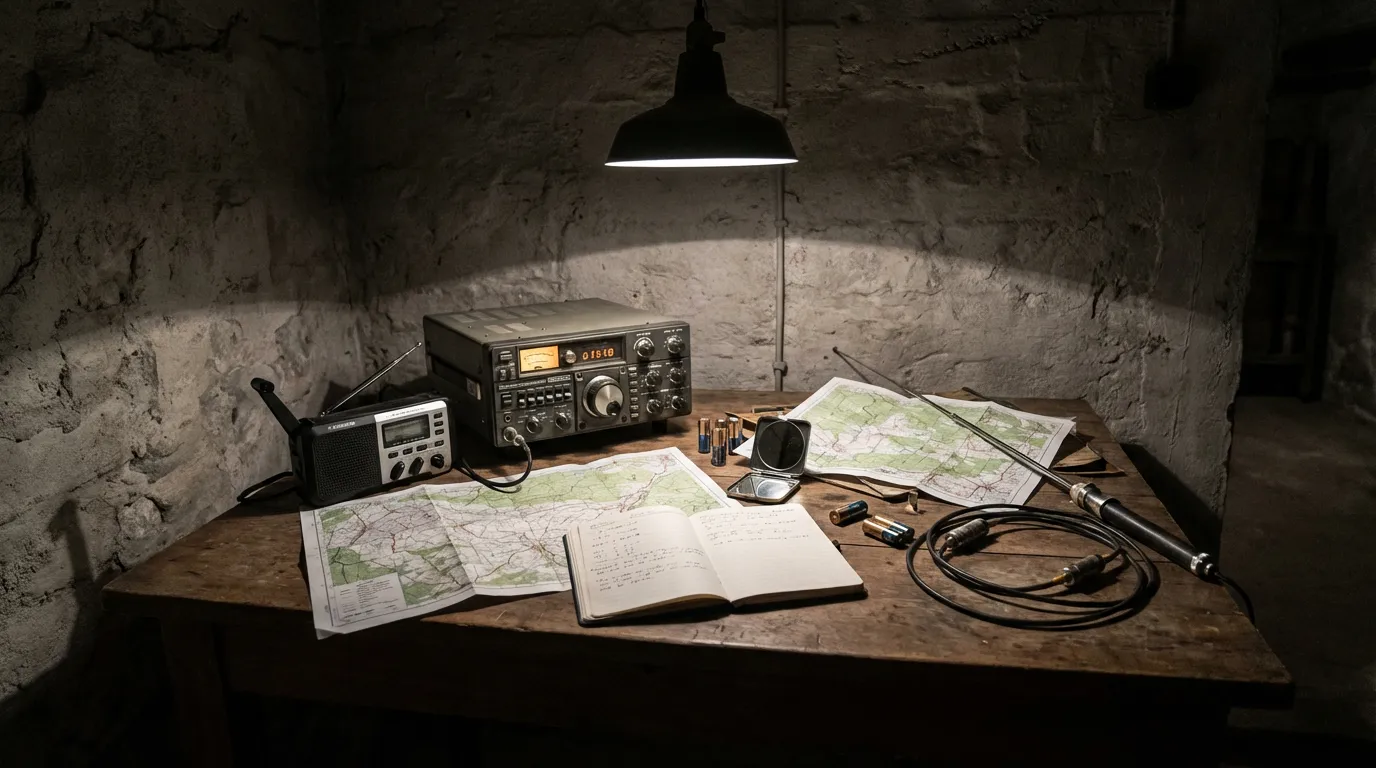
Three days after a nuclear detonation, the cell towers are still down. Your daughter is at school across town. Your spouse is at work. You are at home with your youngest. You have no idea if they are okay — and they have no idea about you. This is the scenario that keeps prepared families …

Read more

Building Mental Resilience: Coping with Nuclear Threats

When the Emergency Alert goes off at 2 a.m. and the message mentions a nuclear incident, the first battle is not physical — it is mental. Panic makes you freeze, forget your plan, or make dangerous decisions like rushing outside during active fallout to get to your kids. The families who survive nuclear emergencies with …

Read more

Decontaminating After Radiation Exposure: Steps to Ensure Safety

If you or a family member is caught outside during a nuclear fallout event and radioactive particles land on your skin or clothing, you have roughly 10–15 minutes to complete the most important action you will take: strip and shower. Done correctly, this process removes up to 80% of your external contamination risk. Done wrong …

Read more

Potassium Iodide: Protecting Your Thyroid During Nuclear Events

Potassium iodide is one of the most misunderstood items in a prepper’s kit. Most people know they should have it. Far fewer understand what it actually does, what it does not do, and exactly when to take it. Get this wrong and you either miss the protection window entirely, or take it when it will …

Read more

Conducting Nuclear Emergency Drills: Preparing Your Community

My family has a written nuclear emergency plan. We have supplies, KI tablets, a designated shelter room, a communication protocol, and laminated reference cards. For two years after I put that plan together, I thought we were prepared. Then we ran our first actual drill. Within 90 seconds, my 10-year-old had gone to the wrong …

Read more

Shielding Electronics from EMP Attacks: Strategies and Solutions

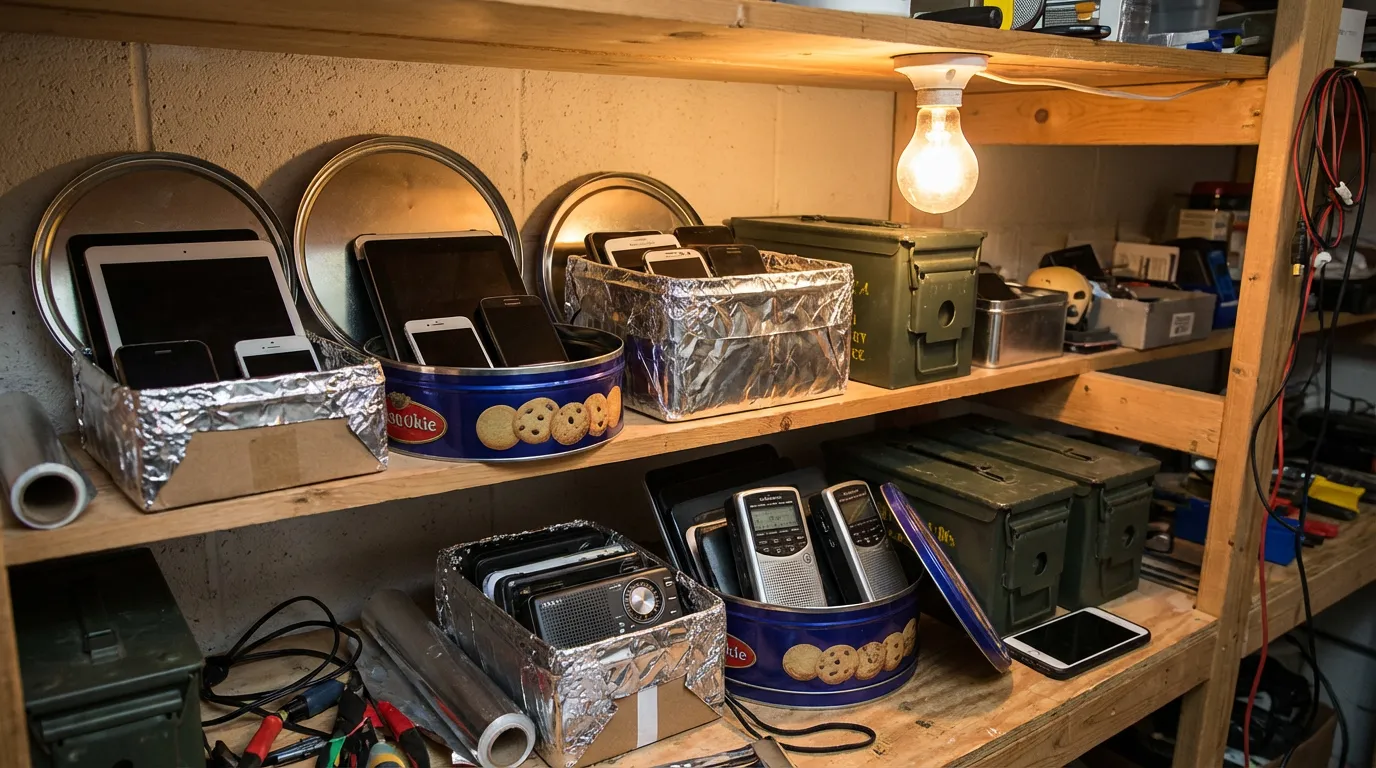
EMP preparedness attracts more mythology than almost any other prepper topic. On one side, you have people insisting that a nuclear EMP will instantly destroy every electronic device on Earth and return civilization to the 1800s overnight. On the other, you have dismissers who call EMP prep pure science fiction. The reality sits between those …

Read more

Using Radiation Detection Tools: A Guide for Preppers

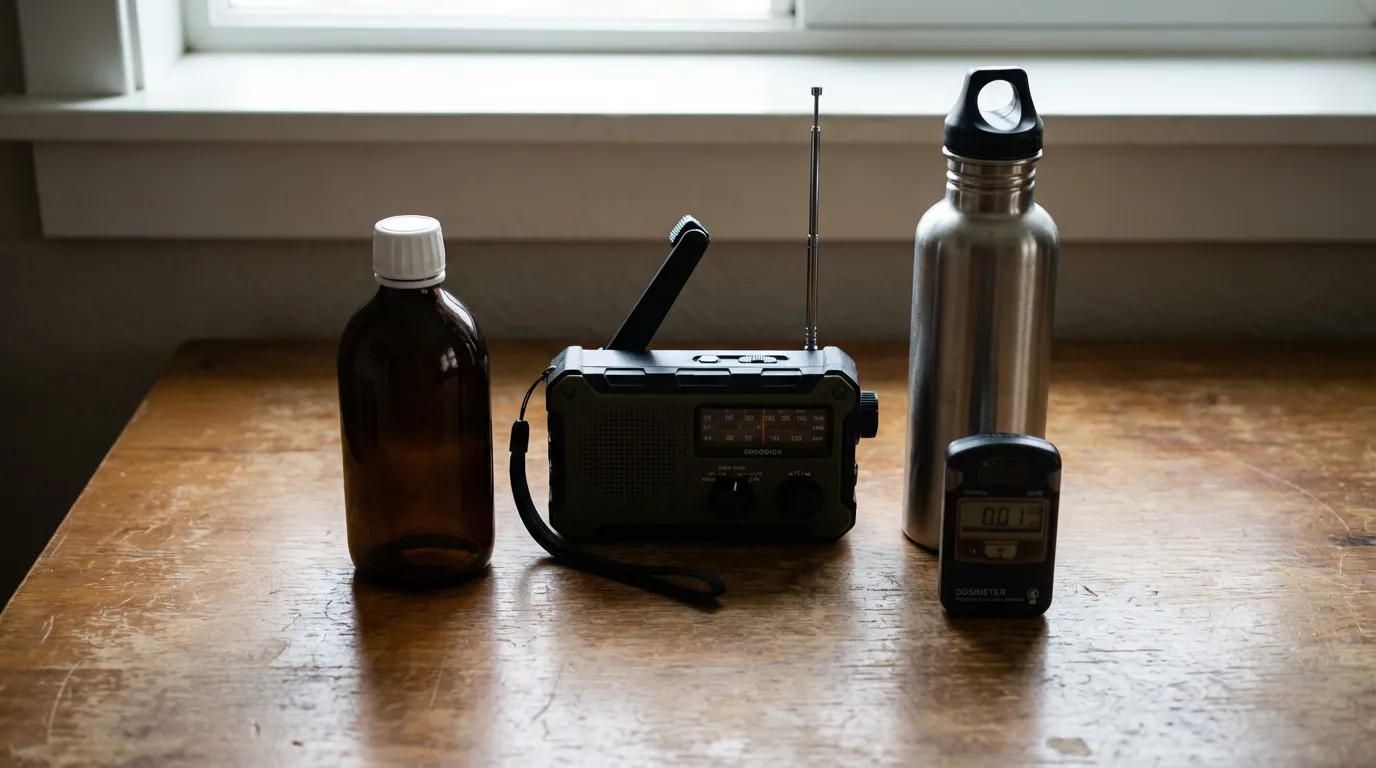
Radiation is invisible, odorless, and completely imperceptible to your senses at any level short of doses that are already causing serious internal damage. Without a detector, you are making decisions blind — whether it is safe to leave your shelter, whether your decontamination worked, whether a food source is contaminated. A radiation detector converts that …

Read more

Designing Effective Fallout Shelters: Protecting Your Loved Ones

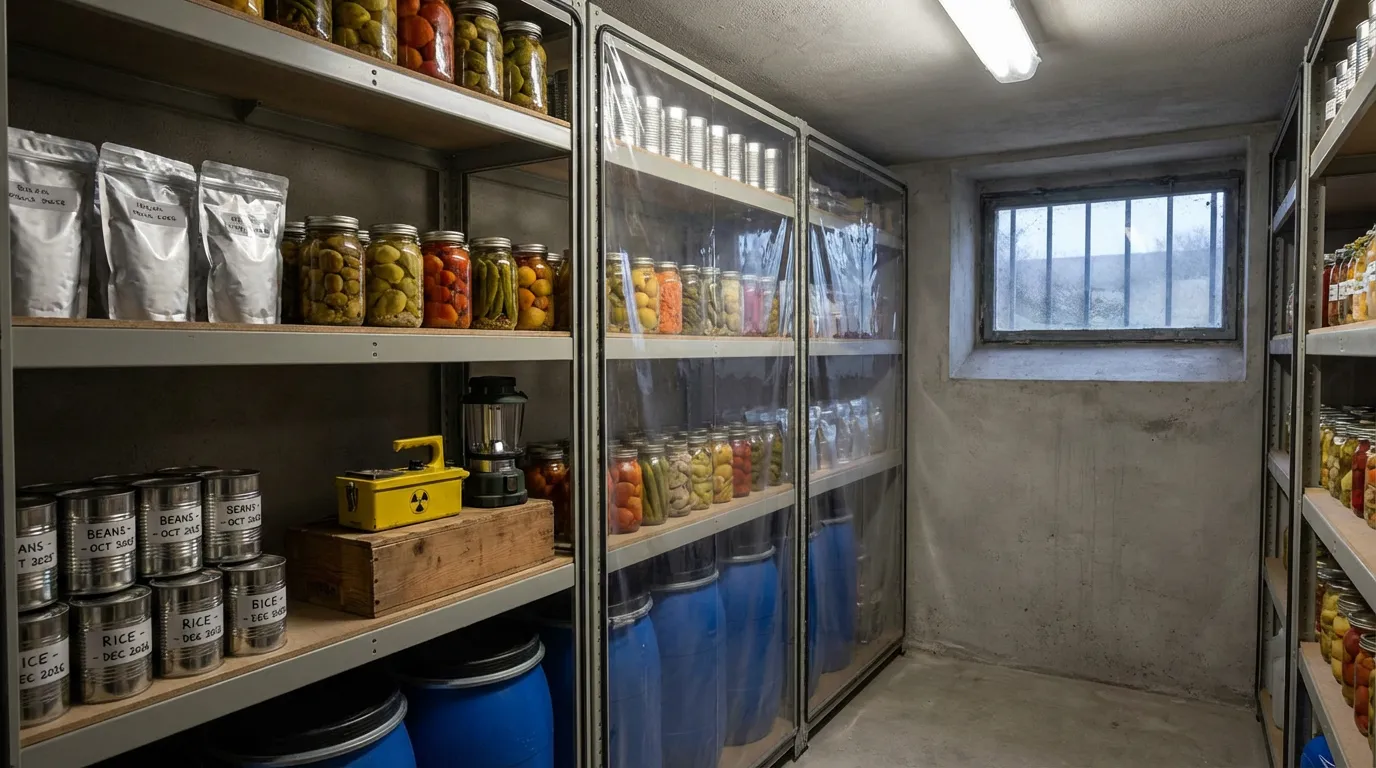
The most important thing to understand about fallout shelter design is this: you probably already have one. Your basement — or even a well-selected interior room — provides meaningful protection against nuclear fallout. What most families lack is not a shelter location but the knowledge to optimize it, the supplies to sustain it, and the …

Read more