Preparing for the New Normal: How Climate Change is Shaping Future Disaster Preparedness

Climate change is changing our world, leading to more frequent and severe weather. We’ve seen record-breaking hurricanes and devastating wildfires. These disasters are now the norm. As carbon pollution traps more heat, global temperatures keep rising, making climate change preparedness more urgent. Communities across the United States face new challenges in disaster readiness. The Department …

Read more

From Pantry to Plate: Recipes Using Prepper Pantry Staples

Most preppers build a food supply and then discover they have no idea what to cook with it. White rice, canned tuna, and black beans are not a meal plan — they’re ingredients. The gap between a stocked pantry and eating well during an emergency is knowing a handful of reliable recipes that use exactly …

Read more

Child-Friendly Emergency Drills

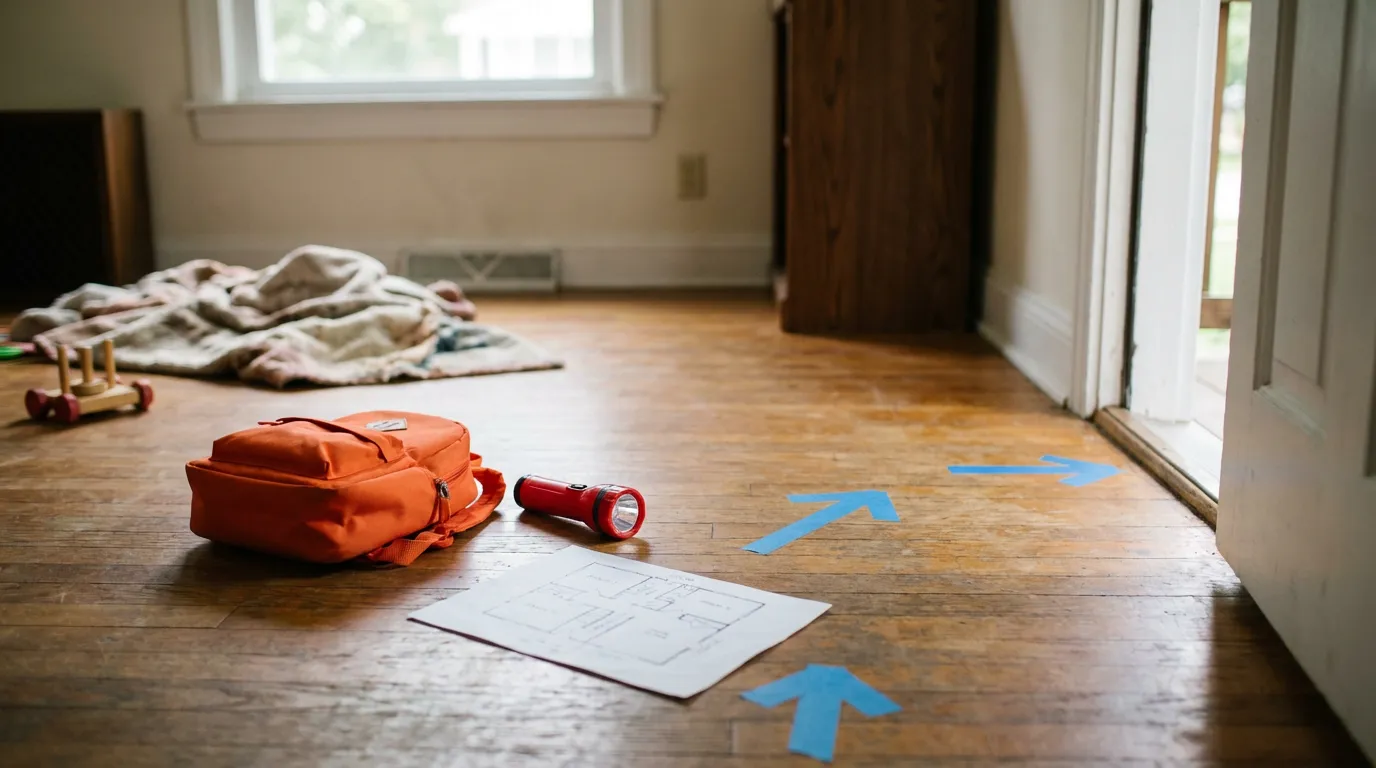
Most families own smoke detectors. Most have fire extinguishers. Almost none have run a timed fire evacuation drill with their kids in the last 12 months. The gap between having safety equipment and actually knowing how to use it — in the dark, under stress, with children who may panic — is practice. Children who …

Read more

Mental Health and Coping Strategies During Crises

Prepping addresses physical vulnerabilities. But in a real emergency, the thing most likely to compromise your decisions and your family’s functioning isn’t a missing piece of gear — it’s unmanaged stress degrading your judgment in real time. This article is about what to do during an active crisis, not before it. The techniques here work …

Read more

DIY Water Purification Techniques

Commercial water filters are the right answer for most prepper water situations. But improvised and DIY purification matters for two specific scenarios: when you run out of commercial filter capacity during an extended emergency, and when you’re working with a water source that requires more than filtration alone. Understanding the full stack of purification options …

Read more

Fitness Challenges for Preparedness

Most preppers invest heavily in gear. Far fewer invest in the physical capability to use it effectively under duress. Your bug-out bag is useless if you can’t carry it three miles. Your evacuation plan fails if you can’t move fast through a damaged building. Your medical training doesn’t help much if you can’t pull a …

Read more

Interactive Map of Local Emergency Resources

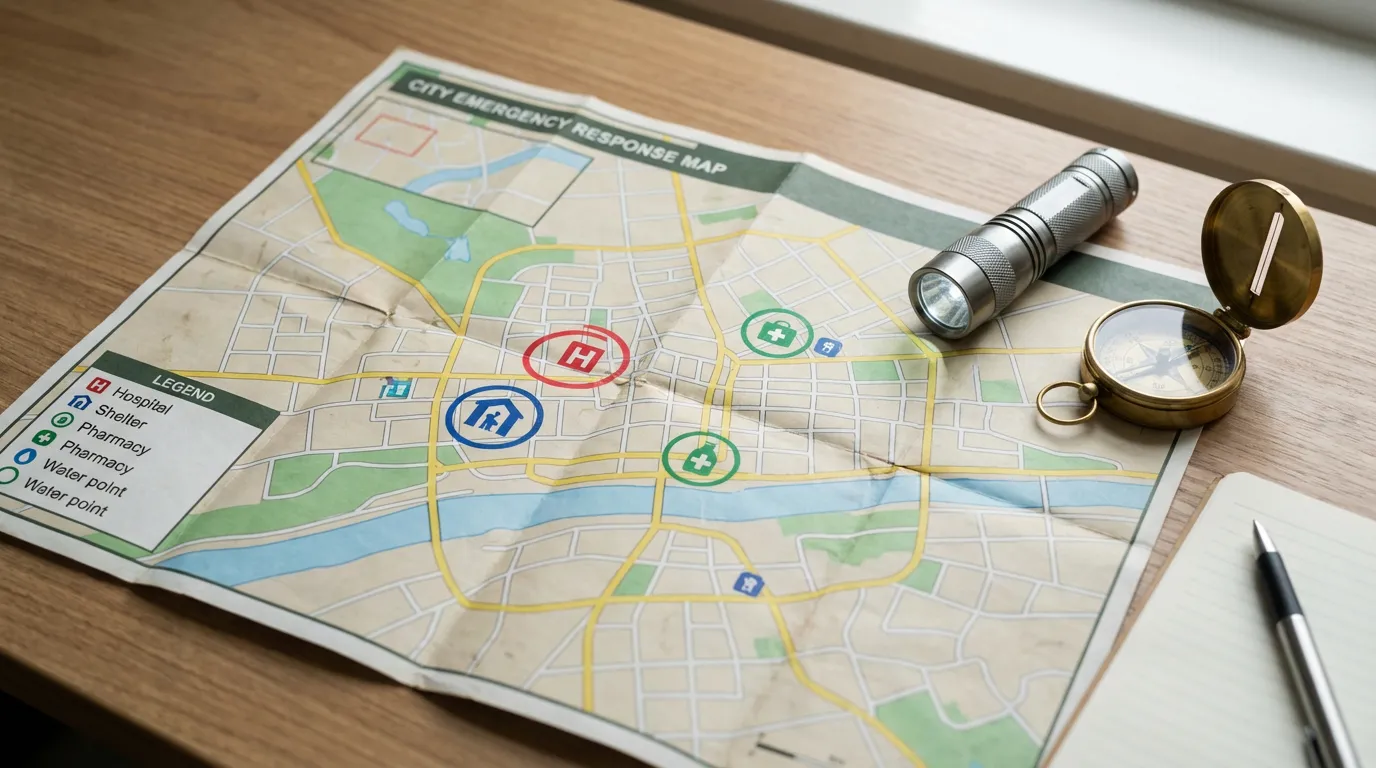
Most people have no idea where their nearest emergency shelter is. They don’t know which hospital has an ER versus urgent care only, where the closest emergency supply store is, or where their county’s emergency management office posts live updates. They’ll find out during a crisis — by searching on a phone with 12% battery …

Read more

Preparing Pets for Disasters

During Hurricane Katrina, an estimated 600,000 pets died or were left behind. The primary reason wasn’t lack of care — it was lack of preparation. People evacuated without carriers, without food, without vet records, and with no idea where to take a pet. They found out at the shelter door that their dog wasn’t allowed …

Read more

Guide to Urban Foraging

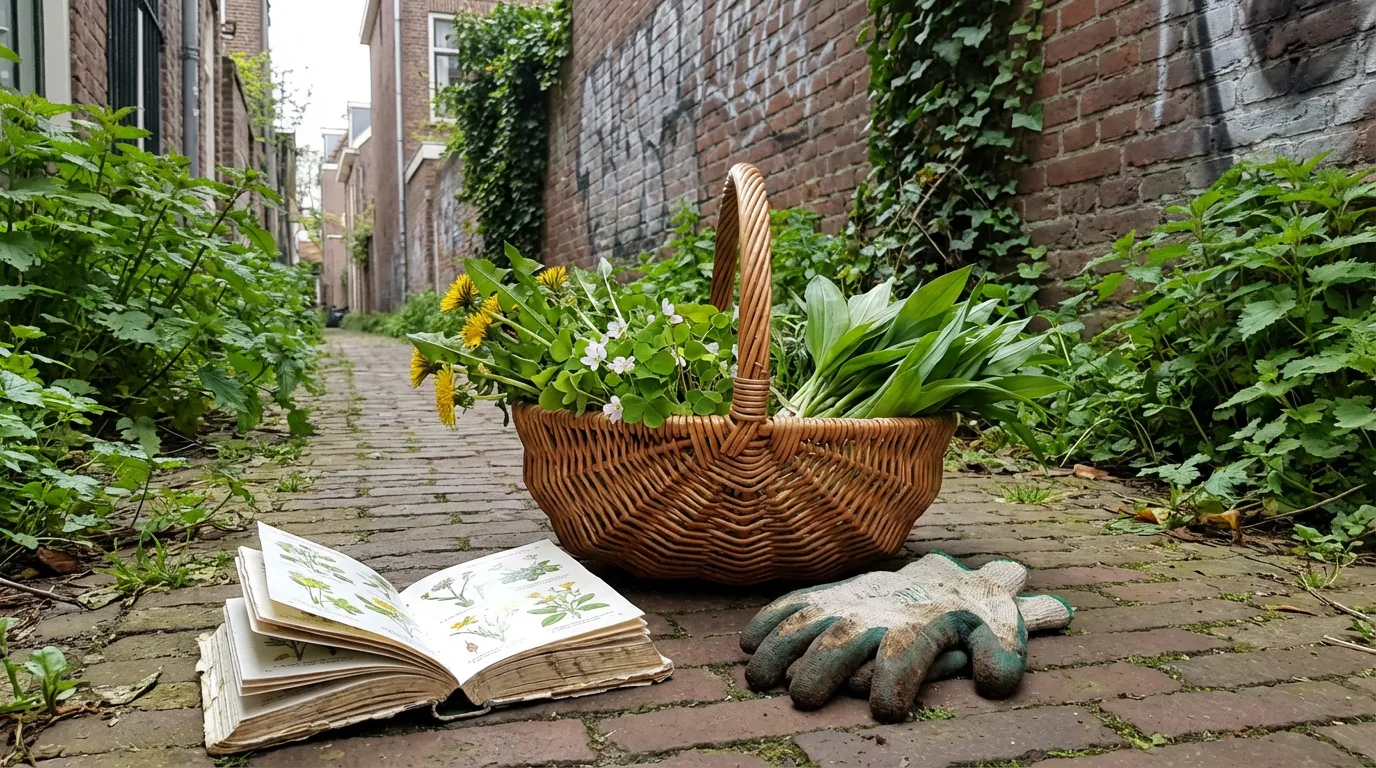
Urban foraging is becoming popular in cities across the U.S. It’s about finding free food and edible plants in urban areas. People are discovering nature’s gifts right in their backyards. A study by Melissa R. Poe and her team found that nearly 60 Seattle gatherers find deep meaning in urban foraging. They see it as …

Read more

Green Prepping: Sustainable Practices for Long-Term…

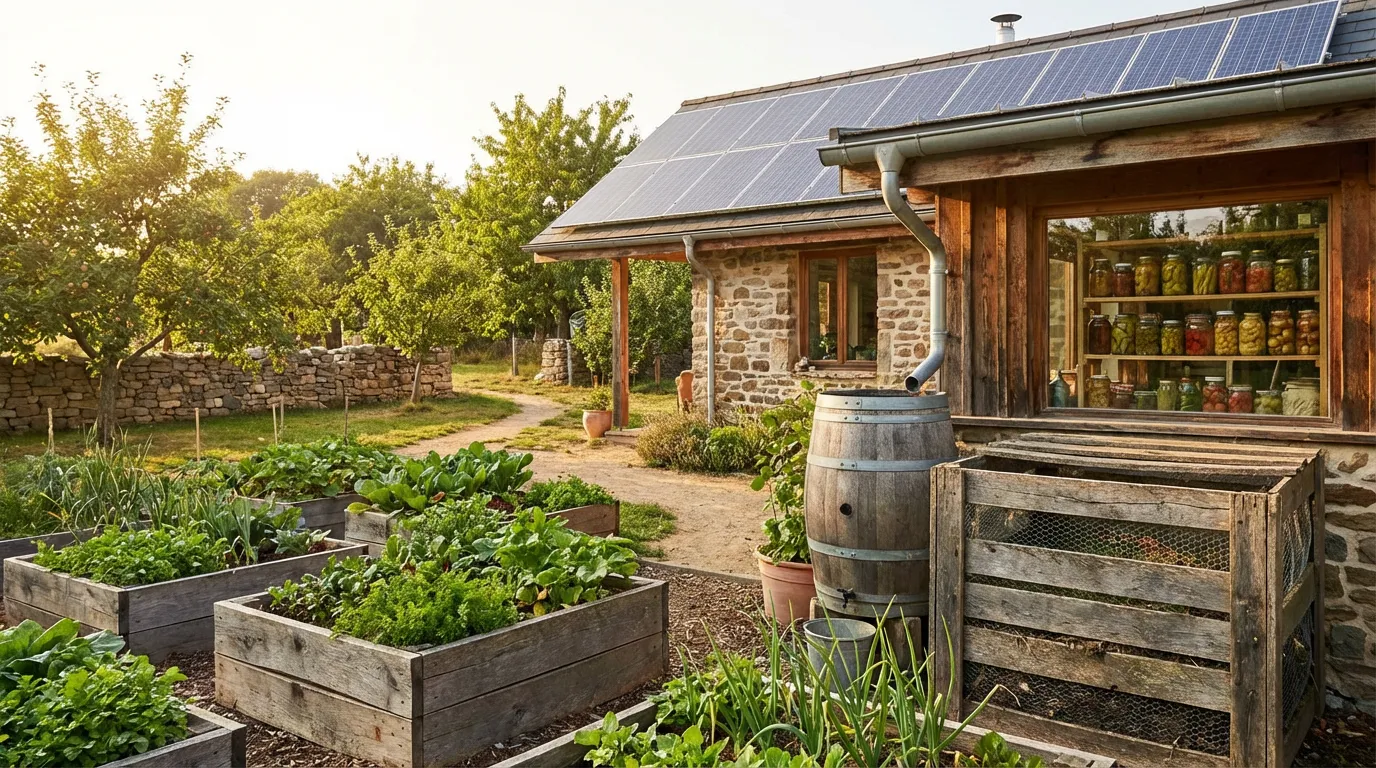
The overlap between good preparedness and good sustainability is larger than most people realize. Solar backup power reduces both your grid dependence and your carbon footprint. A rainwater collection system gives you a water supply independent of municipal infrastructure while conserving groundwater. A kitchen garden produces food while cutting transportation emissions. Composting reduces waste while …

Read more