
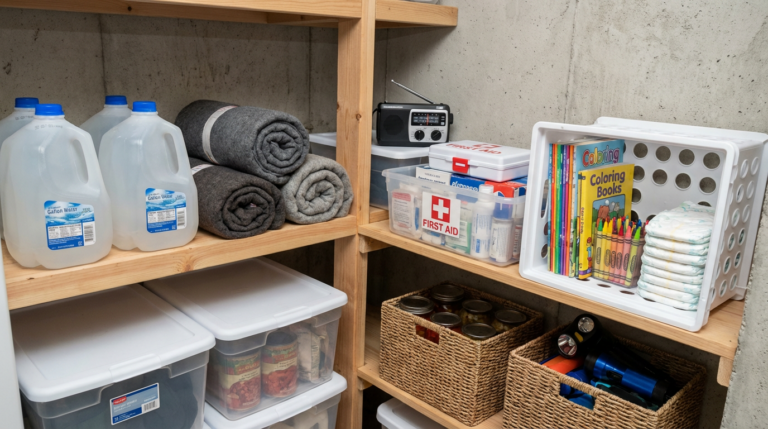
In today’s world, being ready for emergencies is key. Knowing how to prepare for nuclear emergencies is vital. It’s not just about having a kit. You need to understand radiation dangers, how to find shelter, and how to clean up after exposure.
Creating a nuclear emergency plan is important. Use apps like FEMA and local alerts to stay updated. If you’re exposed, clean up right away. Always seek shelter indoors.
Key Takeaways
- Radioactive fallout can be dangerous, arriving within 10 minutes of a nuclear detonation.
- Removing outer clothing can eliminate up to 90% of radioactive material.
- Sheltering in place for at least 24 hours is key for safety.
- Turn off air systems that bring in outside air during a radiation emergency.
- Food inside buildings during a radiological release is safe to eat.
- Register for NotifyLA to get vital emergency alerts.
- Battery-powered AM/FM radios may be more reliable after a nuclear event.
Understanding Nuclear Preparedness
In today’s world, knowing about nuclear preparedness is key. This part covers the basics of getting ready for radiation emergencies. It helps keep you and your family safe and informed.
What is Nuclear Preparedness?
Nuclear preparedness means getting ready for radiation and nuclear threats. It includes making emergency kits and finding safe places. The U.S. Nuclear Regulatory Commission (NRC) sets rules for emergency plans at nuclear power plants.
These rules changed in 2011. Now, plants must do full-scale exercises every two years. They work with federal, state, and local agencies. This makes sure teams are ready for emergencies.
The NRC checks if these plans are followed. They use inspections and evaluations. This shows how important nuclear safety and being ready are.
Importance of Being Prepared
Being ready for nuclear events saves lives. The danger of nuclear weapons has been there for years. In areas near nuclear plants, like Millstone Station in Connecticut, being prepared is key.
Knowing the signs of a nuclear explosion helps people outside the danger zone. They can find safe places and survive. Having a family plan, knowing safe rooms, and sealing rooms are important steps.
Official announcements help decide when to leave shelters. This is usually 24-48 hours after a blast.
Common Myths About Nuclear Threats
Many myths surround nuclear threats and nuclear safety. One myth is that being prepared is useless. But, with the right steps, survival chances can increase.
Sheltering in place is a key action. Some think the best move is to leave right away. But, knowing when and where to go is vital for survival.
Another myth is that only big cities face risks. But, rural and suburban areas also need good nuclear preparedness plans. Wind can spread radiation far.
Lastly, some think having a fallout shelter is enough. But, a shelter’s safety depends on its quality and upkeep.
By clearing up these myths, we can build a safer society. Being informed and prepared is the way forward against nuclear threats.
Assessing Your Risk Level
It’s key to know the risks from nuclear facilities and natural disasters in your area. Doing a detailed risk assessment helps you make a plan for emergencies. This way, you can keep your family safe.
Identifying Local Nuclear Facilities
Finding out about local nuclear facilities is a first step. The Nuclear Regulatory Commission (NRC) oversees nuclear power plants in the U.S. Knowing where the nearest plants are helps you prepare. For example, a 10-mile radius around a plant is a danger zone for air exposure. A 50-mile radius is for water exposure.
Evaluating Natural Disaster Risks
Natural disasters can make nuclear emergencies worse. Places like Hawaii face threats from hurricanes and missiles. It’s important to have a plan for emergencies, including a kit and a family plan.
Understanding the Threat Level
Knowing the threat level in your area is also key. The NRC uses special methods to figure out risks. For example, Hawaii has a low chance of a nuclear attack but has a siren system for warnings.
By identifying nuclear facilities, looking at natural disaster risks, and understanding threats, you can plan well. This way, you’re ready for any emergency, not just nuclear ones.
Creating a Family Emergency Plan
Creating a family emergency plan is key to keeping everyone safe in crisis times. Knowing how to stay in touch, where to meet, and how to care for special needs is vital. It makes a big difference when quick action is needed.
Steps for Developing a Communication Plan
An effective emergency communication plan has several important steps:
- Make a list of important phone numbers and addresses for each family member. Give each member a copy.
- Choose an out-of-state emergency contact (ICE) and save it in all phones.
- Sign up for the Marine Corps Enterprise Mass Notification System (eMNS) for quick alerts.
- Join alert services for fast updates on bad weather, road closures, and emergencies.
Practicing this plan regularly helps everyone know how to act in a disaster. Sadly, only 33% of households have talked about disaster plans, showing a big gap in readiness.
Designating Safe Meeting Points
Safe meeting points are very important in emergencies. Here’s how to pick them:
- Pick a primary meeting spot outside your home, like a neighbor’s or a landmark.
- Choose a backup spot outside your area, like a community center or library.
- Make sure all family members, including kids, know these spots.
Practice these spots with evacuation drills at least twice a year. Yet, 70% of Americans don’t have a family emergency plan.
Planning for Pets and Special Needs
An evacuation strategy should include pets and special needs:
- Get a pet emergency kit with food, water, meds, and a carrier. Sadly, 40% of pet owners lack a disaster plan for their pets.
- Assign a family member to help those with special needs.
- Keep important medical stuff and documents ready for quick use.
Regularly check and update your emergency kits. Replace water and food, practice drills, and test smoke alarms. Staying prepared boosts resilience and improves emergency response.
Building an Emergency Kit
Having a well-prepared emergency kit is key in a nuclear emergency. It can greatly improve your family’s safety and comfort. Follow these steps to create an effective emergency kit.
Essential Items to Include
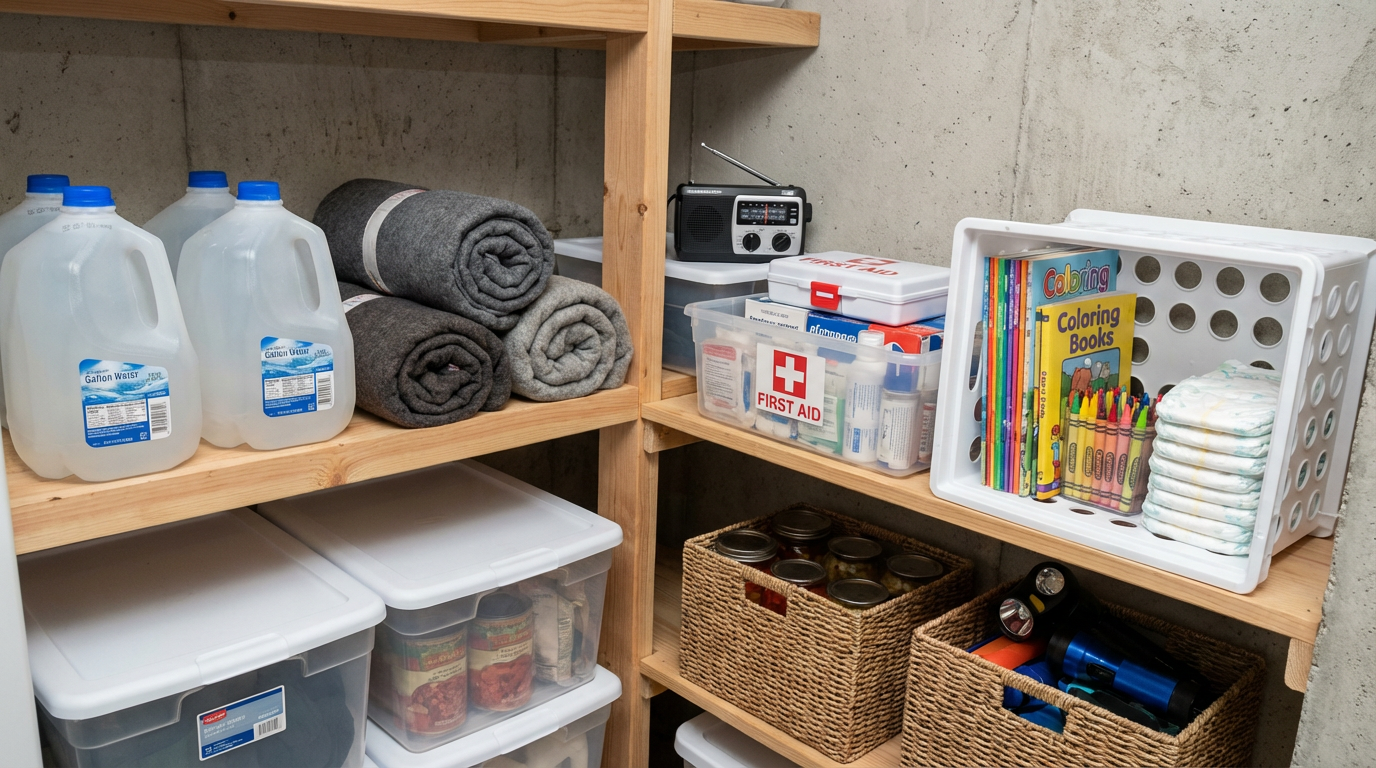
Your kit should have all the essential supplies for survival and comfort. Aim for one gallon of water per person per day for three days. This means three gallons per person. Also, include non-perishable food for several days.
For personal hygiene, add moist towelettes, garbage bags, and plastic ties. Each person needs a change of clothes and sturdy shoes. This is important for different climates.
Remember, about 50% of Americans take daily prescription medications. Organize and store these medications well. A battery-powered or hand-crank radio and a NOAA Weather Radio with a tone alert are also essential. Keep cash or traveler’s checks and important family documents handy. Save these documents electronically or in a waterproof container.
- Water (one gallon per person per day for three days)
- Non-perishable food (three-day supply)
- Batteries or hand-crank radio
- First aid kit
- Extra clothing and blankets
- Prescription and over-the-counter medications
- Personal sanitation items
- Cash and important documents
Storing Your Kit Properly
Keep your emergency kit in a secure, easy-to-reach spot. Make sure everyone in your family knows where it is. It’s also wise to have extra kits at work, in your car, and at home. This way, you’re prepared for emergencies anywhere.
Updating and Maintaining Your Kit
Regular preparedness kit maintenance is vital. Check and replace expired items as needed. Review your family’s needs every year. Include face coverings for everyone over two, as the CDC suggests.
Also, add fun activities for kids like books and games. These can help them stay calm during stressful times.
| Recommended Items | Quantity/Description |
|---|---|
| Water | One gallon per person per day for at least three days |
| Food | Non-perishable, three-day supply |
| Sanitation | Moist towelettes, garbage bags, plastic ties |
| Medications | Prescription and non-prescription |
| Radio | Battery-powered or hand-crank, NOAA Weather Radio |
| Clothing | Complete change, climate-appropriate |
| Cash | Cash or traveler’s checks |
| Documents | Saved electronically or in a waterproof container |
Emergency preparedness is an ongoing effort. Keeping your emergency kit updated and maintained is a key step in protecting your loved ones. Stay informed, be prepared, and keep your family safe.
Educating Your Family
Teaching your family about nuclear emergencies is key. It helps them understand and react during such times. This part talks about how to teach different ages, organize learning materials, and practice drills.
Age-Appropriate Information
Teaching kids about nuclear emergencies is important. Young ones need simple safety tips, while teens can learn more. Teach them to stay calm and follow adult instructions.
Teens should also learn about safety terms like “shelter” and “radiation.” Encourage them to read about safety to feel more ready.
Conducting Drills and Simulations
Drills are vital for knowing what to do in a nuclear emergency. Hold drills every few months. Practice evacuation routes and using emergency supplies.
Omaha, Nebraska, holds drills often. They test sirens and emergency plans. This keeps everyone prepared.
Resources for Ongoing Learning
Keep learning with the latest resources. Websites like Ready.gov have lots of safety tips. Local agencies also offer training and updates.
Use tools like NUKEMAP for practice. It helps you plan and prepare for emergencies.
Family training is an ongoing process. Keep learning to stay ready for emergencies.
Staying Informed During an Emergency
When a nuclear emergency happens, getting the right info fast is key. By listening to trusted news, signing up for alerts, and using social media smartly, you can stay informed. This helps you prepare and respond well.
Reliable News Sources
It’s vital to go to trusted news sites during an emergency. The Nuclear Regulatory Commission (NRC) website and FEMA’s ready.gov are good places to start. Also, check out NRC’s Twitter and Facebook for updates. This way, you get official and accurate info to guide you.
Government Alerts and Notifications
There are many ways to get emergency alerts. You can hear sirens, get alerts on radios, or receive calls from emergency systems. Even your phone can send Wireless Emergency Alerts. Signing up for these alerts early can save lives by helping you act fast.
Utilizing Social Media Wisely
Social media can give you updates in real-time, but be careful. Make sure the info you trust comes from official accounts like government agencies and news outlets. False info can spread fast. So, always check social media against reliable news sources to avoid confusion and panic.
Understanding Evacuation Procedures
Knowing how to evacuate is key during nuclear emergencies. Families must understand local and national plans, transportation, and shelter advice. This ensures their safety.
Local vs. National Evacuation Plans
In North Carolina, nuclear plants are in Brunswick, Mecklenburg, and Wake counties. Evacuation zones are set up to protect people within a 10-mile radius. State and local teams work together to respond quickly if needed.
Local plans focus on areas near plants. National plans cover bigger incidents and involve FEMA and the NRC. They plan for moving people to safe zones far from danger.
Transportation Options Available
Safe travel is key during evacuations. There are buses, emergency shuttles, and private cars. ROSS personnel are trained to ensure safety during transport.
| Transportation Option | Description | Responsibilities |
|---|---|---|
| Public Buses | Used for mass evacuation efforts | Coordinated by local transit authorities and emergency management teams |
| Emergency Shuttles | Specialized vehicles for critical transportation needs | Operated by trained emergency personnel |
| Private Vehicles | Owner-operated for personal or neighbor assistance | Guidance and routes provided by law enforcement and emergency responders |
What to Do When Stuck at Home
If you can’t leave, follow shelter-in-place advice. Stay inside, seal windows and doors, and turn off vents. Keep emergency supplies like water, food, and medicine ready.
Drills and staying informed are also important. They help families stay safe if they must stay home during a nuclear event.
Post-Crisis Communication
Good communication after a crisis is key for family reunions, mental health, and fighting false info. A solid plan helps avoid chaos and speeds up recovery, even after a nuclear event.
Reuniting After an Emergency
Finding loved ones after a nuclear disaster is tough. It’s vital to have a family plan before a crisis. Choose a main and backup meeting spot and an out-of-area contact for messages. This reduces confusion and anxiety, making sure everyone knows where to go and who to call.
Resources for Mental Health Support
Support for mental health is critical after a nuclear event. People may feel more stressed, anxious, and traumatized. Using hotlines, local groups, and mental health experts can help a lot. Community centers and online platforms offer counseling and mental health resources.
How to Handle Misinformation
Stopping false info is vital in crisis communication. After a nuclear event, rumors can spread fast, causing panic and danger. Always go to trusted sources like the WHO or CDC for true info. Checking facts from several reliable places keeps trust and ensures right guidance.
Studies show that clear, factual messages can cut down on false info. The Pre-Event Message Development Project found that messages tailored for different groups are key.
“The World Health Organization said bad communication after Chernobyl led to more thyroid cancer. Clear, better communication could have prevented this.”
A good crisis communication plan is vital. It should include mental health support and ways to fight false info. It’s essential for any community facing a nuclear incident.
Community Resources and Support
Using community resources and support helps families and individuals get ready for emergencies. Knowing what’s available locally and joining educational events can really help. This part talks about the key roles of local emergency teams, workshops, and online groups.
Local Emergency Management Agencies
Local emergency teams are key to getting ready for emergencies. They give important info on risks from places like Diablo Canyon Power Plant. They also run drills and exercises to keep everyone ready.
Working with groups like FEMA shows how important they are. They help get ready for and handle nuclear emergencies.
Community Preparedness Workshops
Going to workshops can really help you get ready. They teach you about emergency kits, communication plans, and safe places to meet. You also get to practice what to do in an emergency.
These workshops give you skills and make you feel part of a community. This helps everyone stay strong during tough times.
Online Forums and Support Groups
Online groups are great for sharing tips and info during emergencies. Sites like Reddit and Facebook groups talk about nuclear safety and how to prepare. They also offer support and updates, keeping you connected and informed.
Being part of these groups adds to the safety and readiness of our community. It’s a big help in staying safe.
FAQ
What is Nuclear Preparedness?
Nuclear preparedness means getting ready for radiation and nuclear threats. It’s about knowing how to act in emergencies like nuclear blasts or work-related radiation. Key steps include staying inside, listening for official updates, and protecting yourself from radiation.
Why is it important to be prepared for a nuclear emergency?
Being ready for a nuclear emergency can save lives and lower radiation risks. It involves planning with your family, staying informed, and learning how to clean up after exposure. Being prepared helps reduce fear and keeps you safe.
What are common myths about nuclear threats?
Some people think nuclear threats are unbeatable or that there’s no way to prepare. But, taking steps like staying indoors, using the right communication tools, and having an emergency kit can greatly increase your chances of survival.
How can I identify local nuclear facilities?
Find local nuclear facilities by checking the Nuclear Regulatory Commission (NRC) website or contacting local emergency management agencies. Knowing where these facilities are helps you understand risks and plan for evacuations if needed.
What natural disaster risks should I evaluate in my area?
Look at risks like earthquakes, floods, hurricanes, and tornadoes, as they can make nuclear emergencies worse. Knowing your area’s natural disaster risks helps tailor your nuclear preparedness plan.
How can I understand the general threat level in my living area?
Assess the threat level by researching crime rates, industrial activities, and how close you are to nuclear facilities or military bases. Government agencies and local emergency offices provide info on threat levels and safety tips.
What are the steps for developing a family communication plan?
Create a communication plan by picking emergency contacts, choosing how to communicate, and setting regular check-ins. Include both local and out-of-state contacts to keep lines open if local networks fail.
How do I designate safe meeting points?
Choose safe meeting points that are away from dangers but easy to get to. Consider places like community centers, parks, or a relative’s house. Make sure all family members know where to go and how to get there safely.
What considerations should I make for pets and special needs in my emergency plan?
Plan for pets by including their food, water, and meds in your emergency kit. Make sure pets have ID tags. For people with special needs, prepare medical supplies and ensure accessibility at safe places and shelters.
What essential items should be included in an emergency kit?
Your kit should have clean clothes, sealed food, water, meds, a first aid kit, batteries, flashlights, and important documents. Tailor the kit to your family’s needs for better preparedness.
How should I store my emergency kit?
Keep your emergency kit in a safe but easy-to-reach spot. Consider a cool, dry place like a closet or under the bed. Make sure all family members know where it is and how to get to it quickly.
How often should I update and maintain my emergency kit?
Update and maintain your emergency kit every six months. Check expiration dates on food and meds, and replace anything that’s expired. Keeping your kit current ensures it’s effective in emergencies.
How can I educate my family about nuclear preparedness in an age-appropriate manner?
Teach family members using information that fits their age. Use simple language and pictures for kids, and give more detailed info to older kids and adults. Involve them in drills and simulations to practice.
What are the benefits of conducting drills and simulations?
Drills and simulations make you more ready by giving you real practice. They help everyone know their roles, reduce panic, and make sure you know what to do in a real emergency.
Where can I find resources for ongoing learning about nuclear preparedness?
Find resources like Ready.gov, FEMA, and the American Red Cross websites. Online courses, community workshops, and local emergency offices also offer valuable info to keep you updated.
What local emergency management agencies should I be aware of?
Get to know local emergency management agencies by visiting their websites, attending meetings, and signing up for updates. Your county’s emergency office is key in disaster prep.
How can community preparedness workshops benefit me?
Workshops offer hands-on training, cover important nuclear prep info, and let you ask questions and meet experts. They boost your confidence and preparedness in your community.
What role do online forums and support groups play in nuclear preparedness?
Online forums and support groups share experiences, advice, and info. They offer emotional support and practical tips, helping everyone get ready together. Make sure to join reputable and moderated groups.
Source Links
- https://www.ready.gov/radiation
- https://emergency.lacity.gov/la-hazards/preparing-nuclear-incidents
- https://www.nrc.gov/about-nrc/emerg-preparedness/protect-public.html
- https://portal.ct.gov/dph/public-health-preparedness/main-page/nuclear-and-radiological-emergencies
- https://ncdp.columbia.edu/nuclear-threat-preparedness/
- https://www.nrc.gov/about-nrc/regulatory/risk-informed.html
- https://health.hawaii.gov/prepare/nuclear-preparedness/
- https://www.nrc.gov/reading-rm/doc-collections/fact-sheets/emerg-plan-prep-nuc-power.html
- https://www.ready.marines.mil/Make-a-Plan/Making-a-Family-Emergency-Plan/
- https://www.cdph.ca.gov/Programs/EPO/Pages/develop_family_disaster_plan.aspx
- https://www.ready.gov/kit
- https://www.fema.gov/press-release/20250121/how-build-kit-emergencies
- https://openmedscience.com/surviving-a-nuclear-war-a-guide-to-preparedness-and-survival/
- https://nuclear.duke-energy.com/2024/09/23/be-prepared-10-things-nuclear-plant-neighbors-should-know-about-emergency-planning-6905079
- https://www.nrc.gov/about-nrc/emerg-preparedness/in-radiological-emerg.html
- https://www.emro.who.int/fr/cpi/publications/rcce-messages-for-a-radio-nuclear-emergency-get-inside-stay-inside-stay-tuned.html
- https://www.ncdps.gov/our-organization/emergency-management/nuclear-emergency-preparedness
- https://remm.hhs.gov/nuclearaccident.htm
- https://pmc.ncbi.nlm.nih.gov/articles/PMC3778998/
- https://www.ncbi.nlm.nih.gov/books/NBK543056/
- https://www.caloes.ca.gov/office-of-the-director/operations/planning-preparedness-prevention/planning-preparedness/nuclear-power-preparedness/
- https://www.fema.gov/emergency-managers/practitioners/hazardous-response-capabilities/radiological
- https://www.ruralhealthinfo.org/topics/emergency-preparedness-and-response
