
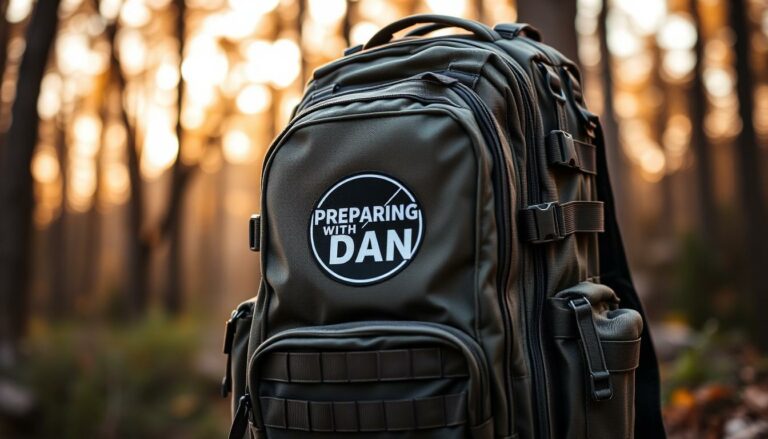
Choosing the right bug-out bag backpack could be one of the most important decisions you make for your family’s survival preparedness. Whether you’re planning for a 72-hour evacuation, a wildfire escape, or a longer-term crisis, your bag is the foundation of everything. This guide cuts through the noise and gives you concrete recommendations, capacity charts, and a weight calculator to find the perfect fit in 2026.

What Makes a Bug-Out Bag Backpack Different From a Regular Hiking Pack?
A standard hiking pack is optimized for comfort on trails. A bug-out bag backpack is optimized for survival under stress — it needs to handle rough terrain, sudden loads, and potentially days of continuous use without access to gear repairs. Key differences: reinforced stitching at stress points, low-profile design to avoid looking like a target, MOLLE webbing for modular expansion, and compartmentalization that lets you access critical items fast.
Bug-Out Bag Size Guide: How Many Liters Do You Need?
The most common mistake preppers make is choosing the wrong capacity. Too small and you’re leaving critical gear behind. Too large and you’ll tire out quickly — a loaded 80L pack can weigh 60+ lbs, which is unsustainable for most adults over 10+ miles.
| Scenario | Recommended Capacity | Target Weight (loaded) | Ideal For |
|---|---|---|---|
| 72-hour urban evacuation | 30–40L | 20–25 lbs | Solo adults, couples |
| 72-hour with family | 40–55L | 25–35 lbs | Parents carrying extra gear |
| 5–7 day bug-out | 55–65L | 35–45 lbs | Fit adults, rural retreats |
| Extended wilderness survival | 65–80L | 45–55 lbs | Experienced preppers only |
| Kids (10–14 yrs) | 15–25L | 10–15 lbs (max 20% body weight) | Age-appropriate gear only |
Top Bug-Out Bag Backpacks of 2026: Tested Recommendations
Here are the packs that consistently rank at the top for preppers based on durability testing, real user field reports, and value for money.
| Model | Capacity | Weight (empty) | Key Feature | Best For | Price Range |
|---|---|---|---|---|---|
| 5.11 RUSH72 2.0 | 55L | 4.5 lbs | MOLLE webbing, CCW pocket, 15 compartments | Tactical preppers | $150–$200 |
| Osprey Atmos AG 65 | 65L | 4.6 lbs | Anti-Gravity suspension, fits all torso lengths | Comfort over distance | $270–$310 |
| Mystery Ranch 3-Day Assault | 45L | 3.8 lbs | Military-grade construction, top-load zipper | Durability-first preppers | $280–$330 |
| Kelty Tactical Redwing 50 | 50L | 3.5 lbs | Internal frame, sleeping bag compartment | Budget-conscious families | $130–$165 |
| Condor 3-Day Assault Pack | 50L | 3.2 lbs | MOLLE-compatible, hydration sleeve | Entry-level budget | $60–$90 |
| Maxpedition Falcon-III | 35L | 3.7 lbs | Compact, high-denier fabric, low profile | Urban evacuation | $200–$240 |
Key Features to Prioritize (In Order of Importance)
1. Frame System and Load Transfer
An internal frame is non-negotiable for loads over 25 lbs. It transfers weight to your hips, saving your shoulders. Look for aluminum stays or a molded framesheet. External frames are outdated for emergency use — they snag on obstacles and are slower to move through crowds.
2. Material Denier Rating
Denier (D) measures fabric density. For a bug-out bag, aim for 500D minimum on the main body, 1000D on the base and high-wear zones. Common quality materials: 500D Cordura nylon (Osprey, Mystery Ranch), 1050D ballistic nylon (5.11), high-tenacity polyester (Kelty). Avoid anything below 300D as a primary material — it’ll shred in field conditions.
3. Hip Belt Quality
A padded, stiffened hip belt that sits on your iliac crest (not your waist) transfers 60–80% of the pack weight to your legs. Without it, your shoulders carry everything. For bags over 35L, this is mandatory.
4. Compartmentalization and Access Speed
In an emergency, you need to grab your first aid kit or fire starter in under 10 seconds. Organize your pack into zones: top lid = immediate access (first aid, documents), front pocket = navigation and comms, main compartment = shelter and food, base = sleeping system or extra clothing. Practice retrieving each item blindfolded.
5. Water Resistance vs. Waterproofing
Most packs are DWR (Durable Water Repellent) treated but not fully waterproof. In heavy rain, your gear will get wet. Solution: Use a pack rain cover (most tactical bags don’t include one) and store electronics and documents in dry bags inside. Fully waterproof packs (Sea to Summit, SealLine) exist but sacrifice breathability.
Essential Items Checklist for Your Bug-Out Bag
| Category | Items | Weight Target |
|---|---|---|
| Water | 2L water + LifeStraw filter + purification tablets | 5–7 lbs |
| Food | 3 days of 2,000+ cal (MREs, freeze-dried, bars) | 5–8 lbs |
| Shelter | Emergency bivy or lightweight tarp + paracord 50ft | 2–4 lbs |
| Fire | BIC lighter + waterproof matches + ferro rod | < 0.5 lbs |
| First Aid | Trauma kit + personal meds + N95 masks | 2–3 lbs |
| Navigation | Paper maps + compass + phone power bank | 1–2 lbs |
| Tools | Multi-tool + fixed blade knife + duct tape | 1.5–2.5 lbs |
| Comms | Hand crank radio + whistle + signal mirror | 1–2 lbs |
| Documents | Copies of IDs, insurance, cash ($200+ small bills) | < 0.5 lbs |
| Clothing | 1 change + rain poncho + gloves + hat | 3–5 lbs |
Weight Distribution: How to Pack Your Bug-Out Bag
Proper packing can make a 35-lb bag feel like 25 lbs. Follow this layering system from bottom to top:
- Base (heaviest, closest to your spine): Shelter, sleeping system, extra clothes
- Core (heavy, centered): Food, water, stove/fuel
- Top (medium weight, easy access): First aid, rain gear, navigation
- Lid/top pocket (immediate access): Documents, headlamp, snacks, knife
- Hip belt pockets: Energy bars, phone, compass
- External attachment (MOLLE): Hydration bladder, tripod, wet items
Tactical vs. Civilian Bug-Out Bags: Which Should You Choose?
This is a debate in the prepper community. Tactical bags (5.11, Condor, Maxpedition) signal preparedness — which can attract unwanted attention in a societal breakdown scenario. Civilian-looking bags (Osprey, Kelty, Gregory) blend in better in urban environments. The general recommendation for most families: go with a civilian-look bag in neutral colors (gray, navy, olive) with good internal organization. Save the camo for rural bug-out locations where blending into the environment matters more than blending into a crowd.
Maintenance Schedule for Your Bug-Out Bag
| Frequency | Tasks |
|---|---|
| Monthly | Check food/water expiration, test electronics, rotate batteries |
| Quarterly | Inspect zippers, straps, stitching. Update seasonal clothing. Restock depleted items. |
| Annually | Full gear audit, update documents/cash, apply DWR spray to fabric, replace anything showing wear |
| After each use | Air dry completely before storage, spot clean, inventory what was used |
Budget Guide: How Much Should You Spend?
| Budget | What You Get | Recommended Picks |
|---|---|---|
| Under $75 | Basic pack, adequate for getting started. Watch for quality issues at stress points. | Condor 3-Day Assault, AmazonBasics camping pack |
| $75–$150 | Good quality, solid construction, some MOLLE. The sweet spot for most new preppers. | Kelty Redwing 50, Red Rock Outdoor Gear Assault |
| $150–$250 | Excellent quality, proper frame, lifetime warranty options. Where serious preppers land. | 5.11 RUSH72, Maxpedition Falcon-III |
| $250+ | Premium materials, advanced ergonomics, maximum durability. Worth it for daily carry or heavy use. | Osprey Atmos 65, Mystery Ranch 3-Day Assault |
Frequently Asked Questions
What size bug-out bag do I need for a family of 4?
For a family of 4 with 2 adults and 2 children, each adult should carry a 40–55L pack with their own gear plus shared supplies. Children aged 10–14 can carry a 15–25L pack with a maximum of 20% of their body weight. Distribute heavy shared items (shelter, food) between adults; assign kids their own water, clothing, and personal items. Never pack one mega-bag that only one person can carry.
Should my bug-out bag be tactical or civilian-looking?
For most urban preppers, a civilian-style bag in gray, navy, or olive is the better choice. It doesn’t signal “prepper” and draws less attention in evacuation scenarios. Tactical bags are better suited for rural bug-out locations or for users who need the specific organizational features (MOLLE, CCW pockets). Avoid bright colors and camo in urban environments.
How heavy should my bug-out bag be?
The general rule is to keep your loaded bug-out bag under 25–30% of your body weight. For a 160-lb adult, that’s 40–48 lbs maximum — but aim for 25–35 lbs for sustainable movement over distance. Heavier is not better. A lighter pack you can carry for 10 miles beats a heavy pack you have to abandon after 2 miles.
What is MOLLE webbing and do I need it?
MOLLE (Modular Lightweight Load-carrying Equipment) is a system of nylon webbing strips that lets you attach pouches, holsters, and accessories to the outside of your bag. It’s useful if you want to add capacity modularly or attach specialized gear. For beginners, it’s not essential — focus on a good internal organization system first. For experienced preppers building a modular system, MOLLE compatibility is a significant advantage.
How often should I check and update my bug-out bag?
Do a full audit quarterly and a quick check monthly. Monthly: check food/water expiration dates, test batteries and electronics. Quarterly: inspect the bag itself for wear, update seasonal clothing, restock anything used or expired. Annually: replace anything degraded, update documents, refresh cash with current bills. Also audit after any emergency that required you to access the bag.
